Flowers of Freedom: How Harriet Beecher Stowe’s Floral Symbolism Changed America

On this day page marker white background
This botanical history post was featured on The Daily Gardener podcast:

Click here to see the complete show notes for this episode.

June 14, 1811

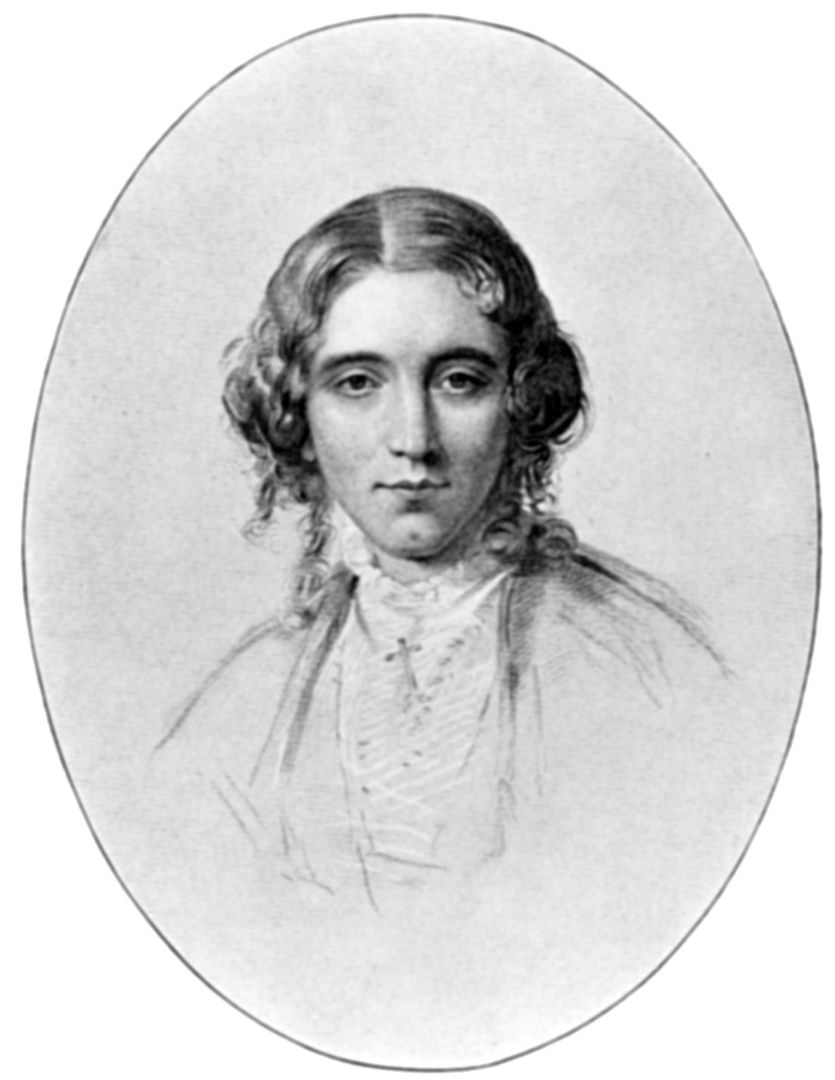
On this day, Harriet Beecher Stowe made her entrance into this world—a woman whose pen would later wield more power than many a general's sword. Though diminutive in stature, her words would grow tall enough to cast shadows across a nation divided.

Those of you tending your gardens might appreciate how Stowe cultivated her own literary landscape with the careful precision of a master gardener. Her magnum opus, Uncle Tom's Cabin, bloomed like a controversial flower in America's troubled soil, spreading seeds of conscience across the land.

When she encountered President Abraham Lincoln, he reportedly acknowledged her influence with a statement that surely must have made her both proud and perhaps a touch uncomfortable:

"So you're the little woman who started this great war."

How delightful to discover that Stowe, like many of us who find meaning in our gardens, understood the secret language of flowers! In Victorian times, this floral vocabulary was as essential to proper society as knowing which fork to use at dinner.

Within the pages of Uncle Tom's Cabin, Stowe planted her narrative with deliberate botanical symbolism.

Roses appear not merely as decorative elements but as bearers of dual meaning—signifying both the tragedy of circumstances and the loving nature of Tom himself.

Ferns, those ancient and steadfast plants, represent fortitude and memory throughout the text—how perfectly chosen for a story that demanded America remember its moral obligations!

Most revealing in her horticultural symbolism are the brilliant scarlet geranium and solitary white Japonica. These weren't casual choices, dear readers. The contrast of red and white spoke volumes about suffering and purity—a visual metaphor for the novel's central themes.

Consider the character of Topsy, possessing the inherent purity of childhood yet forced to weather the cruel storms of slavery under her master's harsh hand. Like a tender seedling trampled underfoot, yet somehow finding the resilience to survive.

The public devoured Uncle Tom's Cabin with unprecedented hunger, with 200,000 copies selling in its first year alone—a literary harvest of remarkable abundance!

The story's impact extended beyond mere reading material; it infiltrated American homes in the most intimate way. Within a year of publication, "Eva" (the beloved slave girl in Stowe's narrative) became one of the most fashionable names bestowed upon newborn girls.

One cannot help but wonder what Stowe would think of our world today.

Would she see her literary garden as having borne sufficient fruit?

Or would she, like any dedicated gardener, look at her work and see places where more cultivation is still required?

Harriet Beecher Stowe

Leave a Comment