Seeds of Discord: How Asa Gray’s Exit Bloomed Into Botanical Greatness
This botanical history post was featured on The Daily Gardener podcast:
July 10, 1838
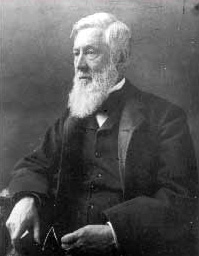
On this day, dear readers, the esteemed botanist Asa Gray resigned from the Wilkes Expedition, a decision that would alter the course of American botanical history as surely as a gardener's careful pruning shapes a specimen tree.
The man whose name now graces countless plant specimens turned his back on what promised to be the botanical adventure of a lifetime - and aren't we gardeners fortunate that he did!
Gray, with that particular brand of impatience known to all who have ever waited for a reluctant seed to germinate, found himself utterly frustrated by the expedition's incessant delays. More vexing still was his escalating discord with Captain Charles Wilkes, a man whose stubbornness rivaled that of Japanese knotweed in midsummer.
The root of their disagreement?
Latin descriptions of new taxa - because nothing incites botanical passion quite like taxonomic classification!
While Gray recognized the necessity of consulting European herbaria and experts to ensure work of the highest caliber, Captain Wilkes insisted upon an Americans-only approach. One imagines the good Captain would have rejected foreign seeds from his garden with equal fervor.
Instead of continuing this fruitless endeavor, Gray accepted a position at the University of Michigan. Yet before he could even unpack his botanical specimens, Harvard University swooped in with an offer too tempting to refuse - rather like spotting a rare plant specimen at a common garden center!
This fortuitous change of direction allowed Gray to establish botany as a proper science in America and guided our nation's botanical pursuits onto the international stage. Without his decision to abandon ship, quite literally, on that January day, American gardeners might still be laboring in provincial isolation, unaware of the rich diversity beyond our shores.
It was this same Asa Gray who so eloquently described the process of natural selection, saying:
"Natural selection is not the wind which propels the vessel, but the rudder which, by friction, now on this side and now on that, shapes the course."
How fitting that Gray's own career was similarly guided by the friction of circumstance, shaping a course that would elevate American botany to unprecedented heights.
One wonders what Captain Wilkes thought years later, watching Gray's reputation bloom while the expedition's botanical legacy remained comparatively modest.
For us gardeners, Gray's legacy lives on each time we consult Gray's Manual of Botany or encounter any of the countless plants bearing his name.
His collection of over 200,000 plant specimens forms the backbone of Harvard's herbarium, a treasure trove that continues to inform botanical work nearly two centuries after his fateful resignation.
Perhaps we should all remember Gray's example when facing obstacles in our horticultural pursuits - sometimes the most fruitful path forward requires abandoning one garden to cultivate another!