Gilbert White at 61: The Competitive Edge of a Naturalist Gardener

On this day page marker white background
This botanical history post was featured on The Daily Gardener podcast:

Click here to see the complete show notes for this episode.

July 18, 1720

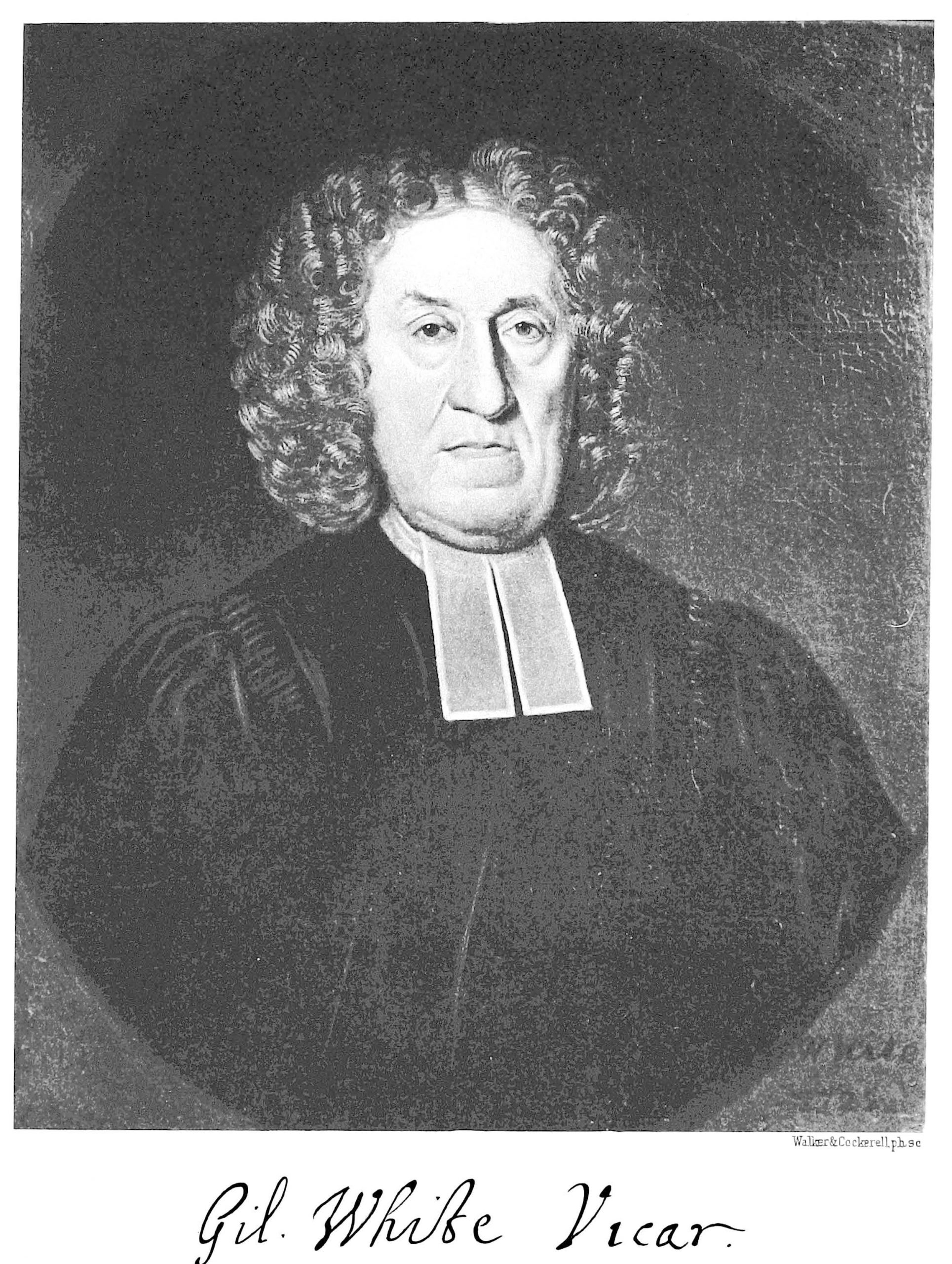
On this day, the illustrious English naturalist Gilbert White drew his first breath in this world, commencing what would become a life of meticulous observation and documentation of nature's most intricate affairs.

A gentleman of remarkable perception, White maintained a journal spanning nearly three decades—a testament to his unwavering dedication to the garden's subtle rhythms and revelations.

These chronicles of horticultural devotion were eventually bestowed upon the public as the Calendar of Flora and the Garden, followed by the Naturalist's Journal. The gardening society recognized immediately what we now consider self-evident: White possessed not merely a talent but a veritable gift for observation, coupled with an extraordinary ability to describe the natural world's daily dramas with a clarity that makes one feel as though one is standing beside him, witnessing the very same spectacle.

Might I draw your attention to this particularly revealing entry from his journal on this very day in 1781, as he marked his 61st year upon this earth?

The observations speak volumes about both the man and his methods:

"Farmers complain that their wheat is blighted.

In the garden at Dowland's,... stands a large Liriodendrum tulipifera, or tulip-tree, which was in flower. The soil is poor sand but produces beautiful pendulous Larches.

Mr. R's garden, ... abounds in fruit, & in all manner of good & forward kitchen-crops.

Many China-asters this spring seeded themselves there... some cucumber-plants also grew-up of themselves from the seeds of a rejected cucumber thrown aside last autumn. Mr. R's garden is at an average a fortnight before mine."

How deliciously revealing is the final observation!

Even the most accomplished gardeners suffer the indignity of comparison.

While White notes with scientific detachment the self-seeding China-asters and volunteer cucumbers in Mr. R's garden, one cannot help but detect a whisper of competitive spirit in his remark about Mr. R's garden being "a fortnight before" his own.

What modern gardener has not felt the same sharp pang upon visiting a neighbor's plot, only to discover their tomatoes ripening weeks earlier or their dahlias standing twice as tall?

White's journals remind us that gardening has always been equal parts science, art, and unacknowledged rivalry.

The tulip-tree he observes with such interest—Liriodendron tulipifera—remains a specimen of distinction in gardens today, though many cultivate it without White's careful attention to how it thrives even in "poor sand."

His noting of the "pendulous Larches" in the same breath demonstrates his understanding that a garden's success often comes not from perfect conditions but from finding the right plants for one's particular soil.

And let us not overlook his opening remark about farmers lamenting blighted wheat—a perennial concern that bridges the centuries.

Today's gardeners face the same anxieties about blight, rust, and mildew that troubled their 18th-century counterparts.

White's journals serve as a comforting reminder that while fashions in gardening may change, the fundamental challenges and joys remain remarkably consistent.

Gilbert White
Gilbert White

Leave a Comment