Aimé Chile Bonpland: The Explorer Who Discovered Plants and Peppers
This botanical history post was featured on The Daily Gardener podcast:
August 28, 1773
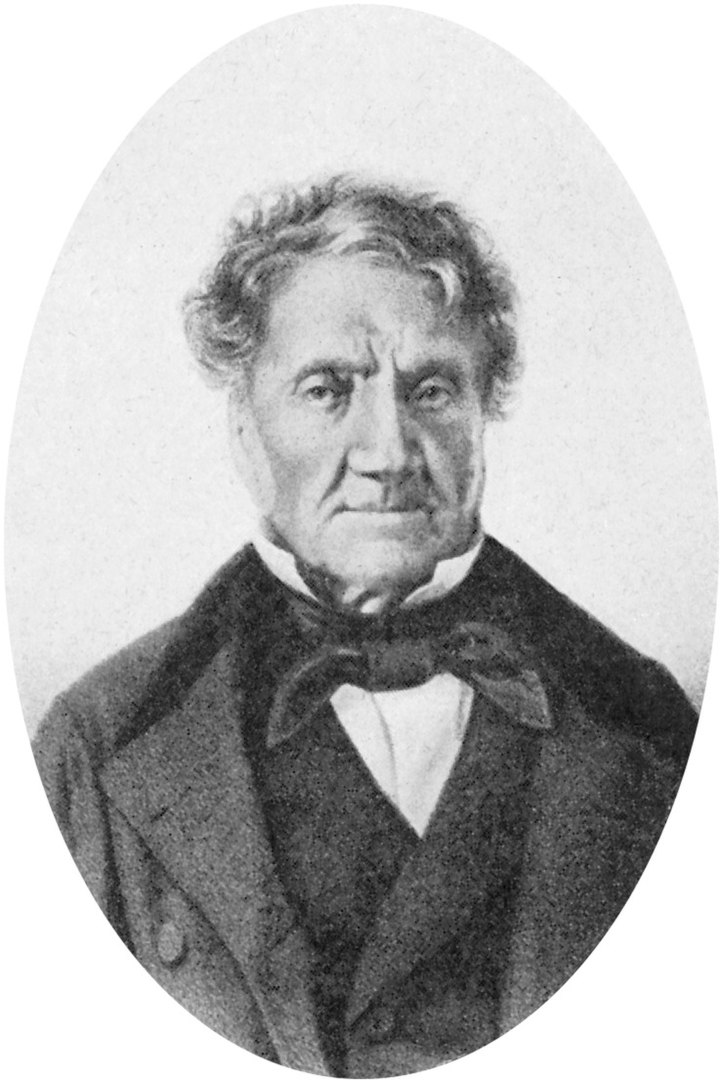
On this day, my precious petal-tenders and botanical confidantes, the remarkable French explorer and botanist Aimé Bonpland drew his first breath in this glorious world of ours in 1773.
How fortunate we are to celebrate such a figure in our gardening pantheon!
Bonpland, darlings, was not merely content to admire flowers from afar as some dilettantes might. No! He embarked on a most extraordinary expedition alongside Alexander von Humboldt through the wilds of Latin America—a journey spanning five magnificent years from 1799 to 1804. Together, these botanical adventurers collected and classified an astonishing 6,000 new plants previously unknown to European science.
Can you imagine, my tender-hearted gardeners, the thrill of discovering not just one new specimen, but thousands?
His scholarly contributions were substantial indeed, co-authoring numerous volumes documenting these botanical treasures. The man was as prolific with his pen as he was with his plant press!
One particularly delicious entry from his journals reveals the charming naivety with which our European botanists encountered the culinary wonders of the New World:
"We just arrived in a town where the locals invited us to eat a dish called enchiladas.
When I tried it, my tongue burned, and I started to sweat.
I was told that this feeling is due to a fruit called "chili."
I have to analyze it ..."
One can almost picture poor Bonpland, flushed and bewildered, reaching desperately for his waterskin while local diners suppressed their knowing smiles! The man who could identify the most obscure orchid varieties was utterly undone by a humble capsicum.
How marvelously human our botanical heroes prove to be!
And for those of you who adore a historical connection to royal scandal, my garden-shed confidantes, I must share this tantalizing morsel: When Napoleon's wife Josephine drew her final breath, it was none other than our Aimé Bonpland who stood witness at her deathbed.
One wonders what botanical wisdom he might have imparted in those solemn moments, or perhaps what rare specimens he had provided for the Empress's famous gardens at Malmaison.
Let us raise our trowels in tribute to Bonpland today, my devoted dirt-dwellers.
His legacy blooms eternal in every new plant we cultivate, in every seed catalog we peruse with midnight fervor, and in every garden border we expand (against our better judgment and despite the protests of our long-suffering spouses).
Until tomorrow's horticultural revelation, I remain your devoted garden chronicler.