Royal Blooms: Queen Victoria’s Botanical Legacy

On this day page marker white background
This botanical history post was featured on The Daily Gardener podcast:

Click here to see the complete show notes for this episode.

May 24, 1819

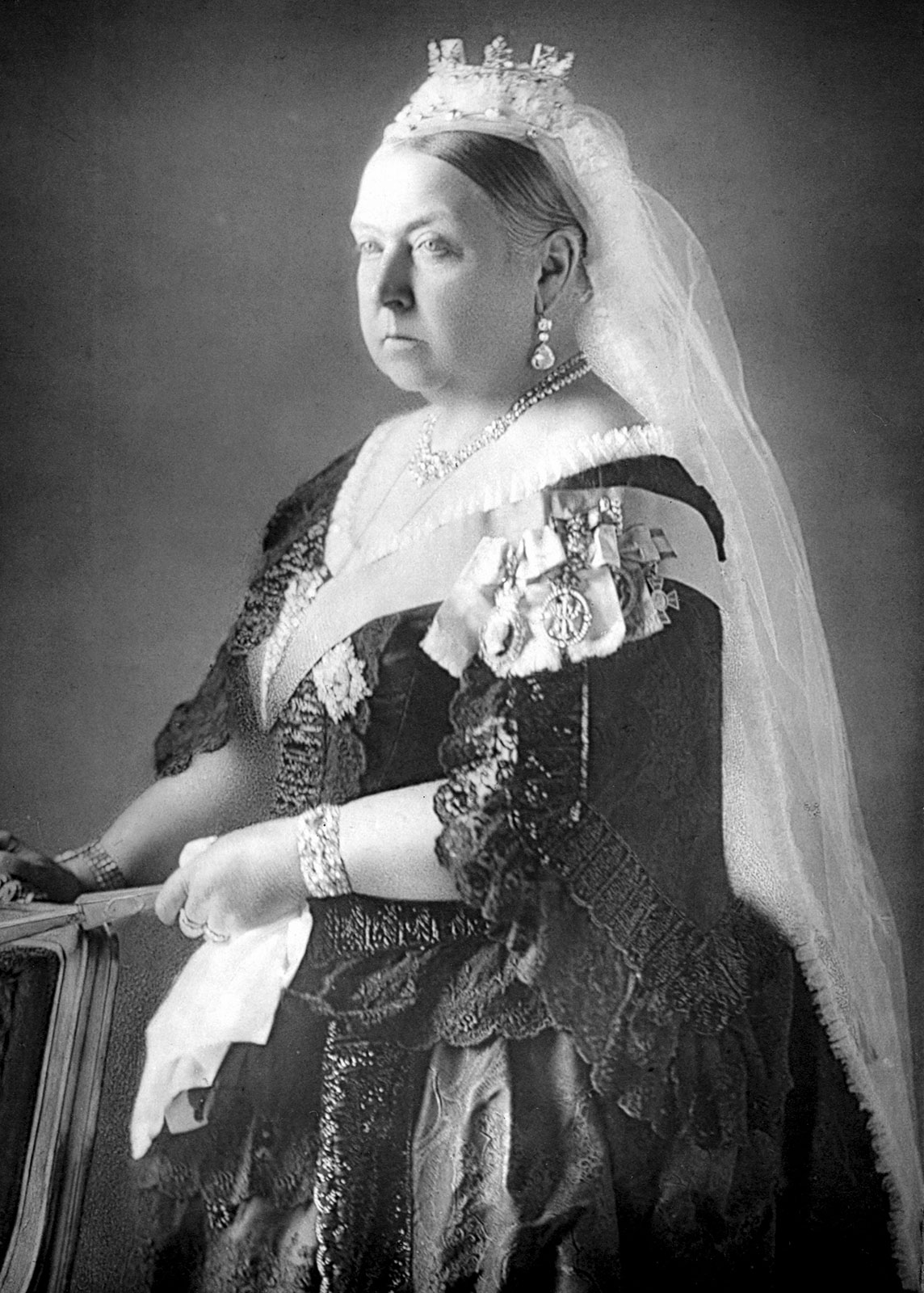
On this day, dear readers, the empire welcomed its future formidable sovereign—Queen Victoria entered the world at Kensington Palace, destined to lend her name to an entire era.

Two centuries later, the palace that witnessed her first cries now honors her with a floral spectacle that would surely have the diminutive monarch nodding in royal approval.

The sunken garden at Kensington—normally a vision of understated elegance—has transformed into a botanical tribute that would make even the most seasoned gardener's heart flutter with anticipation. The display features a parade of Victorian-era blooms: heliotropes with their intoxicating vanilla perfume, cannas standing tall like the Queen's own guards, pelargoniums flashing their vibrant petticoats, and begonias nodding their delicate heads in deference to royal history.

Did you know our gardening vocabulary remains peppered with Her Majesty's influence?

The imposing Victoria agave bears her name—much like the empire itself once did—standing proud and slightly threatening with its defensive spines.

Perhaps most magnificent among her botanical namesakes is the Victoria amazonica, a waterlily of such extraordinary proportions that it seems designed specifically for royal approval. These floating platters can support the weight of a child, though one imagines the Queen herself would have declined to test this particular feature, given her notorious dignity.

For all her imperial grandeur, Victoria harbored a surprisingly modest floral preference. Violets—those humble, sweet-scented harbingers of spring—captured the Queen's heart. One wonders if their modest appearance yet surprising resilience reminded her of qualities she aspired to herself.

When the young queen married her beloved Albert, she demonstrated an early flair for setting trends rather than following them. Eschewing the expected crown, Victoria adorned her head with a simple wreath of orange blossoms.

How scandalous! How refreshing! How utterly modern!

This botanical choice symbolized purity and fertility—the latter certainly proven by her subsequent nine royal offspring.

As we tend our gardens this spring, we might spare a thought for this remarkable woman whose name graces not only our favorite plants but an entire approach to garden design. The Victorian garden—structured, abundant, and slightly obsessed with exotic specimens—reflects the empire's ambitions and contradictions. Much like the Queen herself: outwardly rigid yet privately passionate, publicly proper yet personally determined.

For those wishing to pay homage to Victorian gardening traditions, consider incorporating some symmetry, abundant bedding plants, and perhaps a statement specimen or two. The Victorians never shied away from making a botanical impression—and neither, dear readers, should you.

Queen Victoria
Queen Victoria

Leave a Comment