A Botanist Uprooted: The Passing of Edgar Shannon Anderson

On this day page marker white background
This botanical history post was featured on The Daily Gardener podcast:

Click here to see the complete show notes for this episode.

June 18, 1969

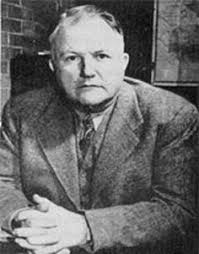
On this day, we bid farewell to Edgar Shannon Anderson, a botanical genius whose life withered like an autumn leaf after years of brilliant bloom.

Your devoted correspondent finds it necessary to report that Anderson, whose 1949 masterpiece Introgressive Hybridization revolutionized our understanding of botanical genetics, has departed this earthly garden.

While many men of science sequester themselves in dusty laboratories, Anderson began his remarkable journey at Harvard's Bussey Institute, where fate introduced him to fellow botanist Dorothy Moore.

How delightful to report that their shared passion for traipsing through wilderness and collecting specimens blossomed into matrimony in 1923!

One imagines them, plant presses in hand, examining curious specimens while exchanging knowing glances over the stamens of some particularly fascinating hybrid.

Anderson later ascended to the directorship of the Missouri Botanical Garden, though the tedium of administrative duties proved unsuitable for his temperament. After merely three years shuffling papers, he escaped back to the twin pleasures of teaching young minds and pursuing his beloved research.

The botanical world was graced with Anderson's 1952 publication Plants, Man and Life, a work that defies conventional classification as surely as his beloved hybrid specimens defy taxonomic boundaries. This volume stands as a cherished treasure among the gardening cognoscenti, offering not merely dry scientific observations but a rich tapestry of folklore, historical insights on early herbalists, and philosophical musings that elevate it far beyond ordinary botanical texts.

Within its pages lies a particularly charming portrait of Leonard Fuchs, the German physician and botanist. Anderson, with his characteristic perceptiveness, described the man as:

"He was a big, broad-shouldered Henry VIII sort of man; with handsome clothes and a general air of getting things done."

One cannot help but draw parallels between this description and Anderson himself—a man of action and insight who transformed our understanding of plant genetics.

While Fuchs might have had the royal bearing, Anderson possessed the aristocracy of intellect that leaves a legacy far more enduring than mere noble birth.

As we gardeners press seeds into the soil this season, we might contemplate Anderson's revolutionary understanding of hybridization taking place beneath our very fingertips.

The next time you observe an unusual specimen in your garden—perhaps displaying characteristics of multiple varieties—pause to consider the complex genetic dance Anderson so brilliantly illuminated.

The botanical world stands diminished today, yet the seeds of knowledge Anderson planted continue to germinate in laboratories and gardens worldwide, ensuring his intellectual offspring flourish for generations to come.

Edgar Shannon Anderson

Leave a Comment