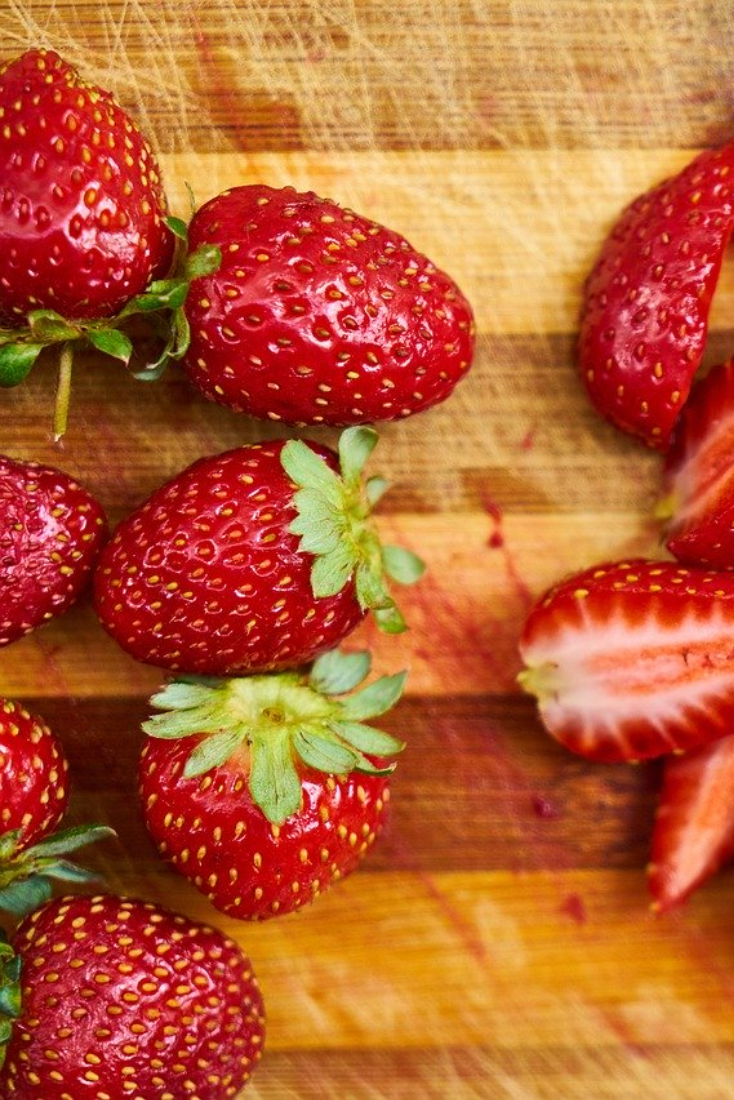
The Spy Who Loved Strawberries: Michael Keens’s Revolutionary Berry

On this day page marker white background
This botanical history post was featured on The Daily Gardener podcast:

Click here to see the complete show notes for this episode.

July 3, 1859

On this day in horticultural history, The Preston Chronicle and Lancashire Advertiser bestowed upon eager gardeners a morsel of wisdom regarding the cultivation of what was then the most coveted of berry specimens.

"For edgings for these nothing is more profitable than parsley or a line of Keens's seedling strawberry," they declared with such certainty that one might think the matter entirely settled.

But dear readers, one must travel back further in time to truly appreciate the revolution that Michael Keens—that clever market gardener from Isleworth—wrought upon society when in 1806 he unveiled his magnificent creation at the Royal Horticultural Society.

Before this momentous occasion, can you possibly imagine a world without proper garden strawberries?

A world where dessert plates remained woefully unadorned by those crimson jewels that now grace our summer tables?

Indeed, the large garden strawberries we so casually pluck from our patches today simply did not exist before the 19th century.

The transformation from wild berry to cultivated treasure is a tale worthy of international intrigue!

As chronicled in Stafford Whiteaker's splendidly illustrated The Complete Strawberry, our modern indulgence owes its existence to a French spy—yes, a spy!—named Amédée François Frézier (1682-1773).

This daring gentleman harvested plants from the shadows of the Andes and transported them to France, nurturing five precious specimens during a perilous six-month voyage by sharing his own limited water supply.

In one of history's most delicious coincidences, Frézier's very name derives from "fraise," the French word for strawberry. His ancestor, Julius de Berry, had presented the Emperor with a gift of these humble fruits and was subsequently honored by adopting the name of his offering. One might say strawberry cultivation was quite literally in his blood!

Let us dispel a common misconception: the term "strawberry" has nothing whatsoever to do with the practice of mulching berries with straw, as some uninformed gardeners might suggest. Rather, it stems from the Old English "straw," meaning "to spread"—a reference to the plant's wandering runners that so enthusiastically colonize our garden beds when our attention wanders.

Keens's achievement represented the first successful marriage of flavor and appearance in cultivated strawberries—a union as significant to horticulture as any royal marriage was to politics. His seedling variety transformed these fruits from mere curiosities into garden essentials, creating an entirely new standard for what might grace both the garden edge and the dessert plate.

So as you tend to your strawberry patches this spring, remember you are participating in a tradition shaped by spies, happy linguistic accidents, and innovative market gardeners.

And should you find yourself contemplating garden borders, consider the sage advice from 1859—that nothing might prove "more profitable than parsley or a line of Keens's seedling strawberry."

Michael Keens
Michael Keens

Leave a Comment