The Baker Botanist: Remembering John Wilson of Longsleddale
This botanical history post was featured on The Daily Gardener podcast:
July 15, 1751
On this day, we mark the passing of that most remarkable botanical genius, John Wilson of Longsleddale—a man who dared to make the lofty kingdom of plants accessible to common English folk when he shuffled off this mortal coil in his 55th year.
Dear readers, imagine my delight in sharing this tale of a man who rose from cobbling shoes to mapping our island's verdant treasures!
Born in 1696 in that secluded Westmoreland valley of Longsleddale, Wilson emerged from humble beginnings to become the first to present British flora in our mother tongue rather than the scholarly Latin that kept botanical knowledge locked in ivory towers. While Carl Linnaeus had published his Systema Naturae in 1735, it remained enshrouded in Latin—whereas our hero boldly proclaimed nature's secrets in the language of the common gardener.
Do not be misled, my curious garden enthusiasts, by fanciful tales circulating about our departed botanist!
The Gentleman's Magazine of 1791 reveals that certain writers—those with more imagination than integrity—fabricated the dramatic story of Wilson being so enraptured by botanical passion that he nearly sold his family's cow to purchase Morrison's expensive botanical treatise, only to be rescued from ruin by a neighboring lady's generosity.
How delicious a tale!
Yet sadly, like many overwatered seedlings, it fails to thrive under scrutiny.
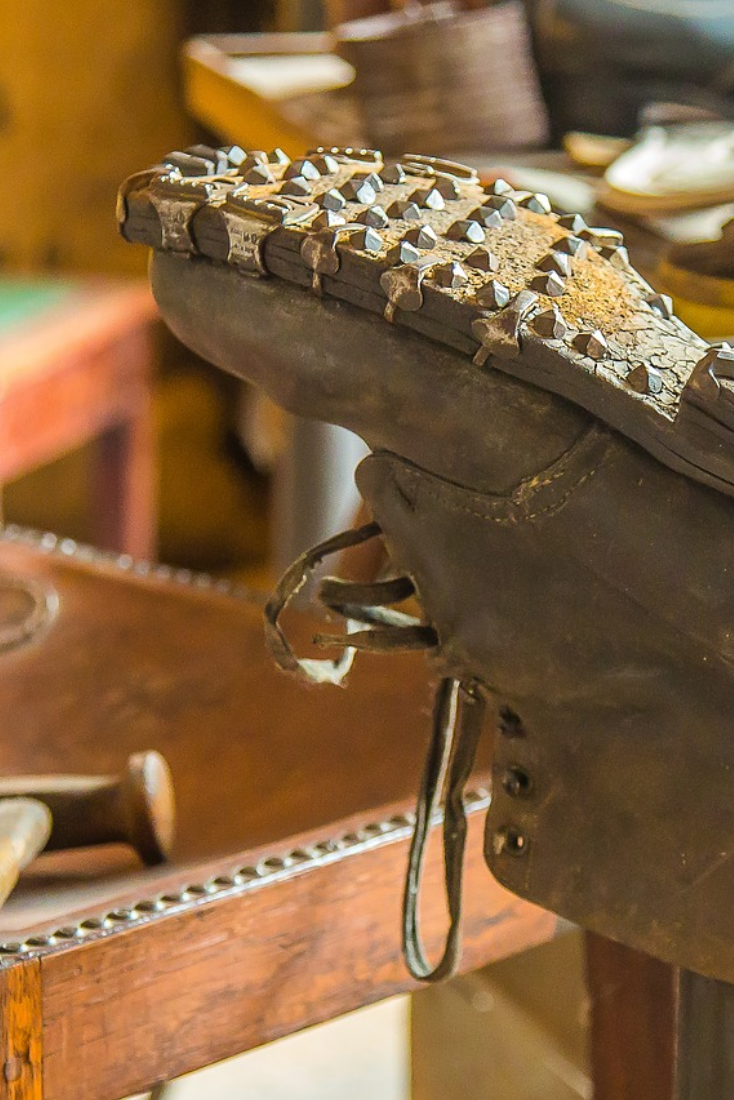
What makes Wilson's achievements all the more extraordinary was his transformation from an unsuccessful journeyman shoemaker to a baker—a profession that at least allowed his family "the common conveniences of life."
Yet even more remarkable was how his affliction became his salvation! A severe asthma rendered him unfit for sedentary employment, pushing him into the fresh air where, with each labored breath, he discovered the verdant wonders of England's northern landscapes.
While his wife managed their bakery, our determined botanist explored "the marshes, and even the hills, of his native county," often accompanied by fellow plant enthusiasts or those simply seeking the sublime scenery of mountainous terrain.
One can picture him there—wheezing slightly perhaps—but eyes alight with discovery as he cataloged each specimen!
His wit proved as sharp as his observational skills. When a pretentious plant collector in Durham challenged Wilson to a botanical duel, expecting an easy victory over this unschooled tradesman, our hero first identified every rare specimen presented. Then, plucking a wild herb from a neglected corner, he offered it to his smug challenger, who dismissed it merely as a "weed."
Wilson's retort cuts through the centuries:
"A weed is a term of Art, not a production of Nature," adding that such distinction "proved his antagonist to be a gardener, not a botanist."
The contest concluded with one man's pride considerably pruned!
In 1744, Wilson published his Synopsis of British Plants in Mr. Ray's Method, intending a second volume on fungi, mosses, grasses, and trees.
Alas, declining health prevented its completion, and today we mark the anniversary of his departure from our earthly garden.
His papers passed to a Newcastle printer but never saw publication—a loss most grievous as the Linnaean system soon overshadowed his contributions.
So today, as you tend your summer gardens, spare a thought for this self-taught genius who, without formal education, mastered Latin, challenged the botanical establishment, and opened nature's catalog to all English readers.
Wilson reminds us that the most extraordinary gardens sometimes grow from the most ordinary soil.