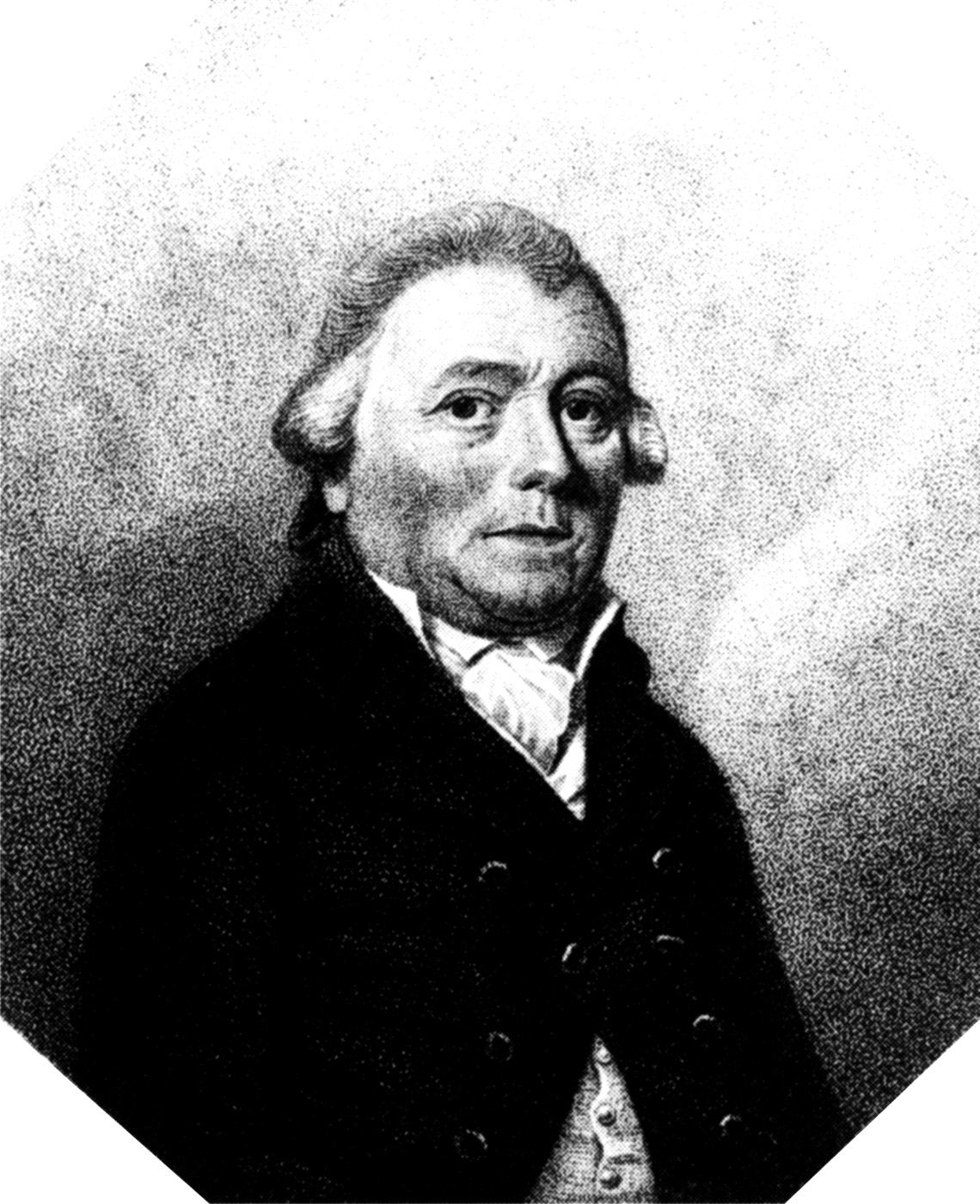
William Forsyth: The Botanical Pioneer Who Turned Failure into Flowering Fame

On this day page marker white background
This botanical history post was featured on The Daily Gardener podcast:

Click here to see the complete show notes for this episode.

July 25, 1804

On this day, dear garden friends, William Forsyth entered this world—a Scottish botanist whose legacy blooms bright as the yellow flowers that would one day bear his name.

One might say he was destined for horticultural greatness from the moment he first plunged his hands into the rich Scottish soil.

Our dear Forsyth trained as a gardener at the hallowed grounds of the Physic Garden, apprenticing under the watchful eye of Philip Miller, that paragon of gardening excellence. Like any ambitious protégé worth his pruning shears, Forsyth eventually claimed Miller's position as chief gardener in 1771, asserting his rightful place in the gardening hierarchy.

Just three years into his tenure—because why wait when one has grand visions?—Forsyth embarked upon what can only be described as a magnificent folly. He constructed one of the first rock gardens ever attempted, with the audacity and determination that only true innovators possess.

This was no modest affair, mind you!

The man transported over 40 tons of stone from the grounds surrounding the Tower of London—perhaps hoping some royal gravitas might cling to the rocks.

Not content with merely English stone, he imported pieces of lava from distant Iceland. One imagines the eyebrows raised among his contemporaries at such extravagance!

The whole endeavor was meticulously documented for posterity—perhaps Forsyth sensed the historical significance of his stony creation. Or perhaps he wished for evidence of his ambition when the project inevitably collapsed into spectacular failure.

Yes, dear readers, for all his efforts, the garden was, as they say, a bust.

But let us not judge our horticultural hero too harshly.

After all, it is through such bold failures that progress inches forward. And Forsyth did achieve lasting greatness, becoming a founding member of the Royal Horticultural Society—an institution that continues to shape garden fashions and plant obsessions to this day.

His ultimate triumph?

The genus Forsythia—those brilliant yellow harbingers of spring—immortalizes his name in gardens across the world.

How many failed rock gardens would one endure for such an honor? I daresay we all would weather a few spectacular disasters for such enduring recognition.

So today, as you tend your gardens with varying degrees of success, remember William Forsyth—ambitious, occasionally misguided, but ultimately immortalized in the very language of plants.

May we all fail so spectacularly and succeed so brilliantly.

William Forsyth
William Forsyth
Forsythia plant, likely a cultivar of Forsythia x intermedia (Border Forsythia), known for its vibrant yellow flowers that signal the arrival of spring.

Leave a Comment