Edith Coleman
Appreciation for Orchids
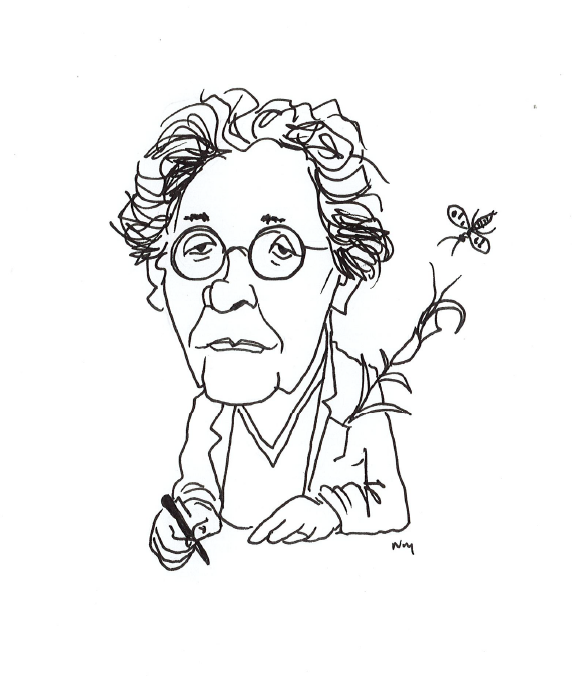
It’s the birthday of Edith Coleman, an Australian naturalist, and a prolific writer, who was born on this day in 1874.
Until recently, little was known about Coleman. The author, Danielle Claude, wrote a book about Coleman called The Wasp and the Orchid, which explored how Coleman went from being a housewife until the age of 48 and then transformed into one of Australia’s leading naturalists.
Coleman had a special appreciation for orchids. Beginning in January 1927, one of her daughters told her that she had seen a wasp entering the flower of the small tongue orchid backward. The odd behavior was something both Coleman and her daughter would repeatedly see over the next few seasons. The response was perplexing, especially after Coleman dissected the plants and discovered that they were male. Coleman continued to study their behavior, and she finally found that the wasp was fertilizing the orchid. The orchid uses this stealth pollination strategy Called pseudo-copulation to trick the male wasps into thinking they are meeting with a female wasp. By getting the males to enter the plant, the plant can be pollinated.
Coleman became the first woman to be awarded the Australian natural history medallion. Coleman will forever be remembered for her groundbreaking discovery about orchid pollination.
This post was featured onThe Daily Gardener podcast:
helping gardeners find their roots,
one story at a time