The Master of Ephemeral Arts: Fletcher Steele’s Garden Legacy

On this day page marker white background
This botanical history post was featured on The Daily Gardener podcast:

Click here to see the complete show notes for this episode.

June 7, 1885

On this day, Fletcher Steele, that most enigmatic American landscape architect, drew his first breath. A man destined to transform hillsides into havens and gardens into gossip, with over 700 designs to his credit before his final bow from this earthly stage.

His masterpiece?

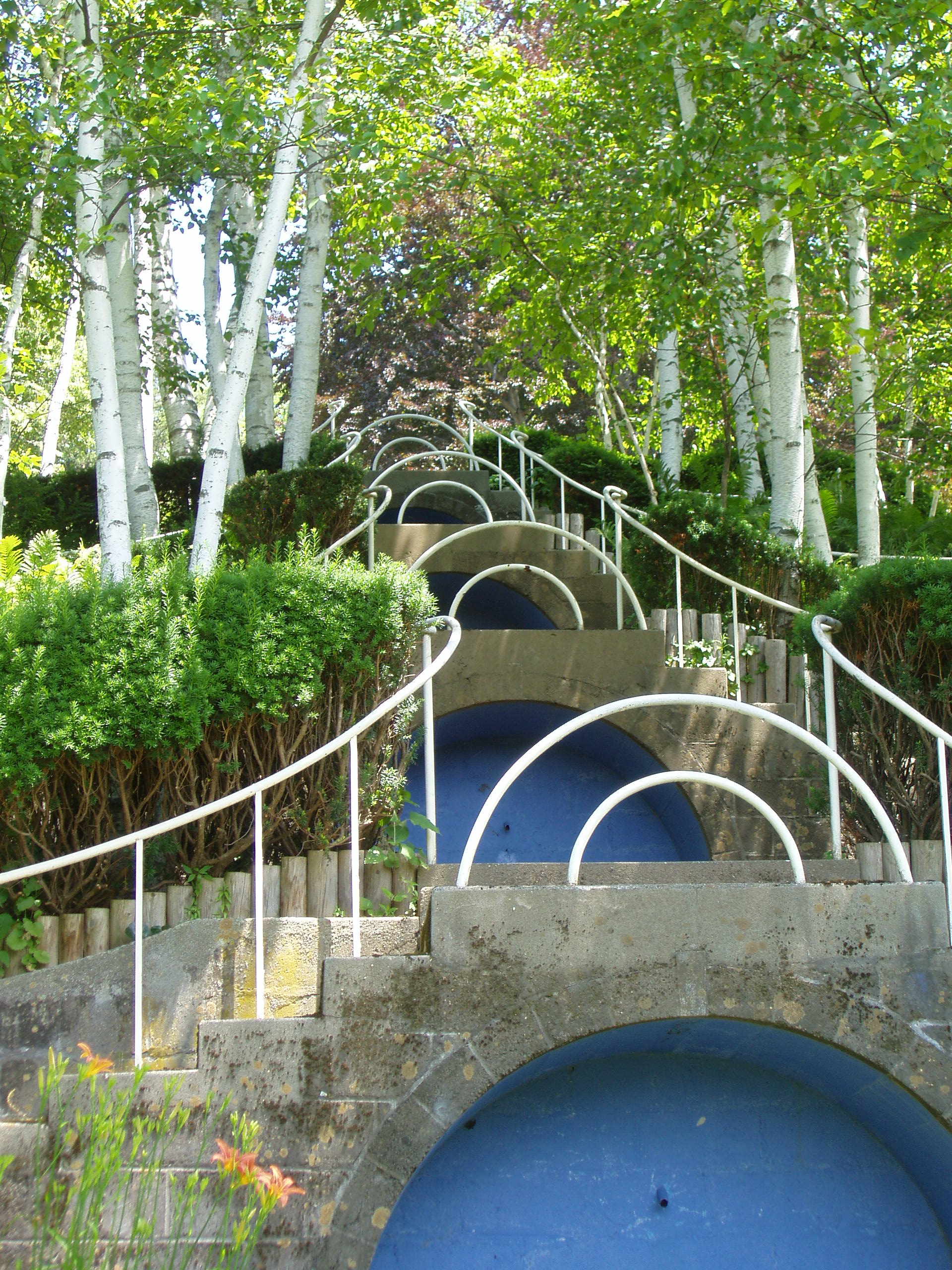
The Blue Staircase at Naumkeag, of course. Nestled into the Berkshire Mountains of Massachusetts like a secret waiting to be discovered, this azure architectural wonder winds through the landscape with all the confidence of a peacock strutting through a barnyard.

In 1926, Steele designed this staircase for Mable Choate, who would become his most significant patron. She was 56; he was 41 – an age gap that would raise eyebrows in certain circles, though their relationship was purely professional, I assure you.

Miss Choate, no amateur in matters of design, had a history of collaborating with creative minds. She knew precisely when to guide and when to stand aside – a quality as rare in clients as humility is in architects.

What set Steele apart from his contemporaries was his revolutionary approach to plants. While others saw mere greenery, he recognized plants as compositional elements – actors on his garden stage rather than mere scenery. How thoroughly modern!

It was this same Fletcher Steele who once remarked,

"Gardening seems to be the most ephemeral of the arts."

How deliciously ironic that his own works have proven this statement both true and false. True in that gardens, like reputations, require constant tending. False in that his designs, particularly that mesmerizing Blue Staircase, have endured while countless "permanent" structures have crumbled to dust.

Steele's work bridged the classical and modernist movements in landscape architecture, much as a clever hostess might seat a conservative dowager next to a radical poet at dinner – creating tension that somehow resolves into harmony.

His gardens whisper of secret influences – travels abroad, Japanese aesthetics, European formality – all reimagined through an American lens. Rather like someone who has toured the Continent returning to provincial society with newfound sophistication that both impresses and slightly scandalized the neighbors.

And isn't that precisely what the best gardens do?

They invite us to wander, to lose ourselves in beauty while simultaneously finding something unexpected – perhaps even ourselves – along the winding path.

Fletcher Steele
Fletcher Steele

Leave a Comment