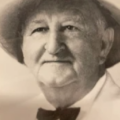
“Take a Plant, Not a Pill”: The Revolutionary Garden Therapy of 1977

On this day page marker white background
This botanical history post was featured on The Daily Gardener podcast:

Click here to see the complete show notes for this episode.

July 10, 1977

On this day, the horticultural world witnessed a most audacious declaration that plants—yes, mere foliage—might serve as an alternative to pharmaceutical interventions for one's mental distress.

One can hardly contain one's amusement at such a notion, though perhaps there is wisdom hidden beneath the leaves of this bold assertion.

The esteemed Mr. Ethan Allen and the prolific Mr. Elvin McDonald of House Beautiful (www.housebeautiful.com) presented their theories on "Decorating with Plants" to an undoubtedly captivated audience.

One imagines the gentle rustle of notepads as society ladies eagerly jotted down each pearl of wisdom dropped from McDonald's verdant mind.

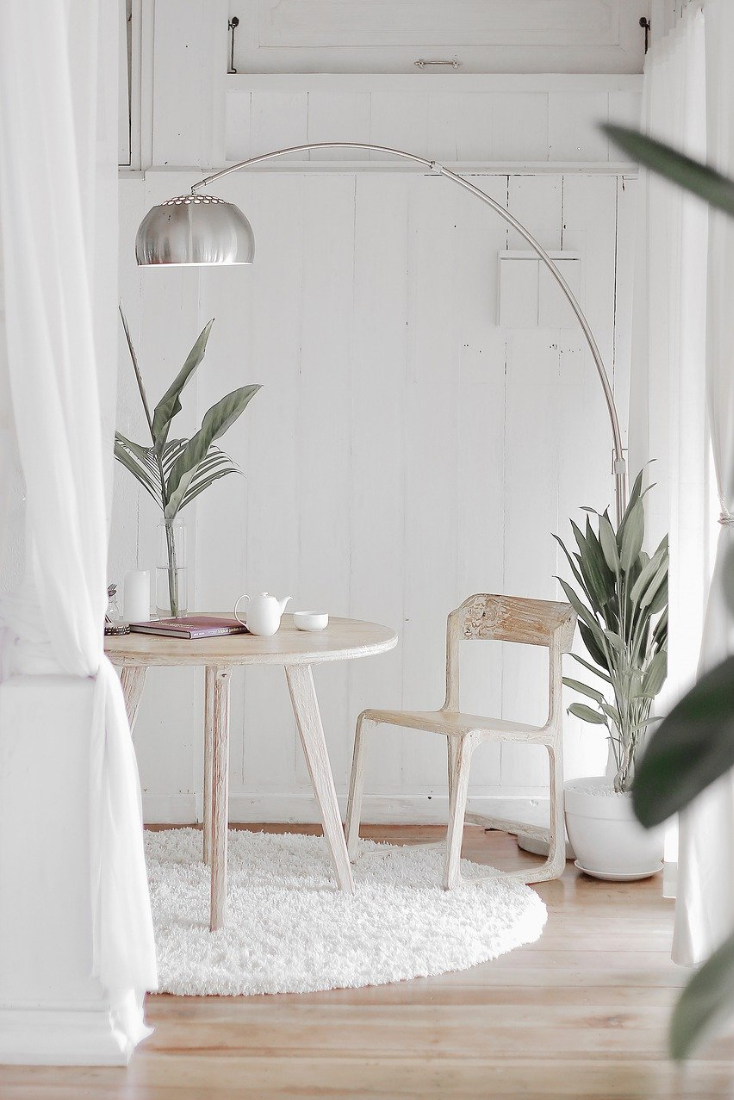
Mr. McDonald, apparently a man of considerable botanical enthusiasm, revealed numerous novel approaches to incorporating chlorophyll-laden companions into one's domestic sphere. His credentials in this matter cannot be questioned, for the man maintained over 300 plants in his apartment—a virtual jungle in the concrete wilderness of urban living!

Consider, dear reader, that this grand revelation occurred three decades before the advent of Instagram.

Had such a platform existed in those simpler times, one can only imagine the frenzy of photographs Mr. McDonald would have shared, documenting each frond and tendril of his extensive collection.

The botanical influencer before such a term existed!

In the newspaper promotions heralding his presentation, McDonald was quoted with a statement so boldly revolutionary that one must pause to fully appreciate its implications:

"Take a pill if you will.

I say take a plant to cope with everyday stress."

How marvelously direct!

While physicians prescribed their tonics and remedies, McDonald suggested that perhaps the humble houseplant might provide equal solace to the troubled mind. Was he merely being provocative, or had he stumbled upon a truth that science would later confirm?

Indeed, in our present age, research has vindicated McDonald's assertion. Studies now confirm that surrounding oneself with living plants can reduce anxiety, improve air quality, and enhance one's sense of well-being. The man was positively prophetic in his horticultural insights!

One wonders how many in his audience heeded his advice, returning home to fill their parlors and bedchambers with potted companions.

Did they whisper their troubles to a sympathetic fern rather than reach for their prescribed sedatives?

Did they find that the simple act of watering a struggling philodendron provided perspective on their own challenges?

For the dedicated gardener, McDonald's words resonate with particular poignancy.

We who commune with nature understand implicitly the therapeutic quality of soil beneath fingernails and the satisfaction of nurturing life from seed to bloom. Perhaps we were ahead of our time, practicing plant therapy long before it became fashionable.

As you tend to your garden this spring, remember Mr. McDonald's sage advice.

When life's tribulations weigh heavily upon your shoulders, perhaps the answer lies not in a medicine cabinet but in a terracotta pot.

A prescription of greenery, administered liberally throughout one's living space, might indeed be the most natural remedy for the modern condition.

Medicinal Plants
Medicinal Plants
The Medicinal Forest Garden Handbook by Anne Stobart
Rosemary Gladstar's Medicinal Herbs
Growing Gourmet and Medicinal Mushrooms by Paul Stamets

Leave a Comment