When Olmsted Walked Among the Fallen: A Landscape Architect at Gettysburg

On this day page marker white background
This botanical history post was featured on The Daily Gardener podcast:

Click here to see the complete show notes for this episode.

July 18, 1863

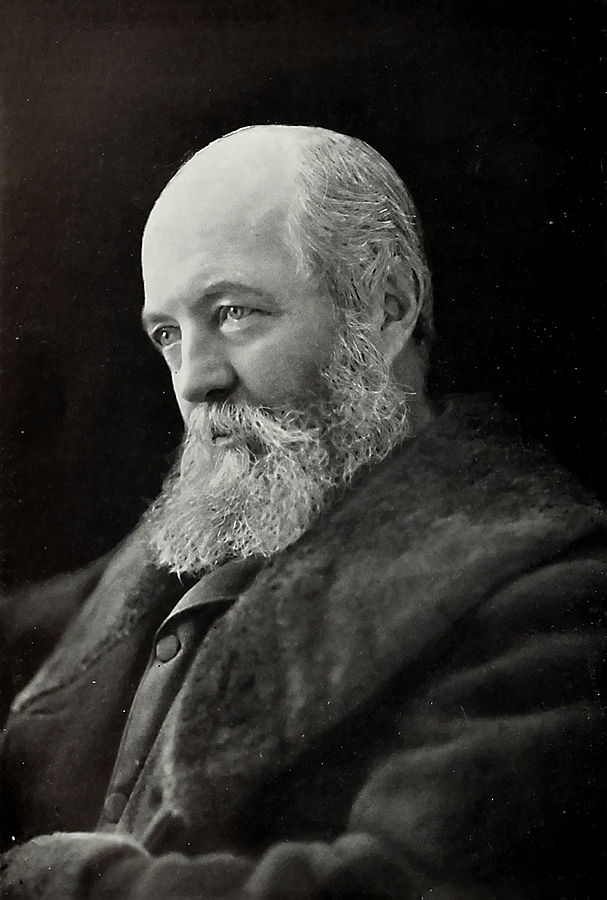
It was on this day in 1863 that Frederick Law Olmsted, the illustrious father of American landscape architecture, trod upon the hallowed grounds of Gettysburg, a mere fortnight after that most bloody of confrontations.

One might say he arrived fashionably late to history's most gruesome garden party.

As General Secretary of the United States Sanitary Commission, our dear Olmsted had been tasked with the rather unglamorous duty of overseeing the care of wounded Union soldiers. This was no mere administrative position, mind you – the gentleman frequently found himself personally dressing the ghastly wounds of soldiers. A far cry from designing ornamental shrubberies!

Why Olmsted for such a position?

His masterful orchestration of New York City's Central Park – that magnificent green jewel amidst Manhattan's urban sprawl – had proven him capable of managing complex projects. Though one imagines tending to dying men required rather different skills than arranging elm trees and footpaths.

In the week following the battle, Olmsted demonstrated his logistical prowess by arranging for forty tons of supplies to flow daily into Gettysburg.

Imagine it!

A veritable river of surgeon's silk, fans, butter, shoes, and crutches – the peculiar shopping list of war's aftermath.

By July 18th, the chaos had subsided enough for our landscape architect to survey this most macabre of scenes.

Martin's biography reveals Olmsted,

"was struck by the scale of the place; everything had happened across distances far greater than he had supposed."

Always the observer of terrain, wasn't he?

The gentle, rolling hills presented a landscape so cruelly at odds with the evidence of carnage scattered across them.

One wonders if Olmsted's designer's eye was already considering how such ground might be memorialized.

Or was he simply overcome by the grotesque tableau?

As he wandered, Olmsted discovered the scattered detritus of battle – spent shells and twisted bayonets, broken-down wagons, and the half-buried corpses of horses. Most poignant to his sensibilities was the "random strew of Union and Confederate caps, often together on the ground, shot through with bullet holes."

Such intimate artifacts of mortality, these caps that once sat upon the heads of living men, now abandoned like autumn leaves upon his impromptu garden of remembrance.

How curious that a man who dedicated his life to creating spaces of beauty and tranquility should find himself documenting a landscape so thoroughly defiled by humanity's darkest impulses.

Perhaps it was this very juxtaposition – between nature's gentle contours and war's harsh angles – that informed his later work in creating public spaces meant to heal the civic soul.

For us gardeners who fret over aphids and uncooperative weather, Olmsted's Gettysburg walk reminds us that landscapes bear witness to history's most profound moments, absorbing both our triumphs and our sorrows into their soil. In time, even battlefields return to gardens.

Portrait of Frederick Law Olmsted

Leave a Comment