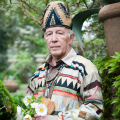
Ryan Gainey
A Wild Life
And it’s the anniversary of the death of Ryan Gainey, the landscape designer extraordinaire who died on this day in 2016.
Gainey died trying to save his beloved Jack Russell terrier’s jellybean Leo and baby Ruth from a fire at his home. Neither he nor his dogs survived.
When it came to landscape design, Gainey was entirely self-taught.
In the beautiful documentary about his life called “The Well-Placed Weed: The Bountiful Life of Ryan Gainey." (btw I shared it in the FB group so check it out)
In the documentary, Gainey asked the filmmaker, "I’ve had a wild life. Do you know why?"
His reply was simple and 100% Gainey: "I created it."
Gainey purchased a home in Decatur Georgia that used to be the site of Holcomb Nursery. He removed many of the greenhouses behind his home but kept the low brick walls that had served as the foundation for the greenhouses. The result was that Gainey instantly had a series of garden rooms that he could decorate and design to his heart's content. Throughout his career, Gainey became friends with notable designers and gardeners like Rosemary Verey and Penelope Hobhouse.
Gainey loved Verey; they had a special bond. He loved the Camellia japonica. Gainey's gardens looked effortless with things spilling over and nestled in a way that made them look like they had been in the garden for decades. It was Gainey who said,
"Where lies the genius of man? It is the ability to control nature... but for one purpose only; and that is to create beauty."
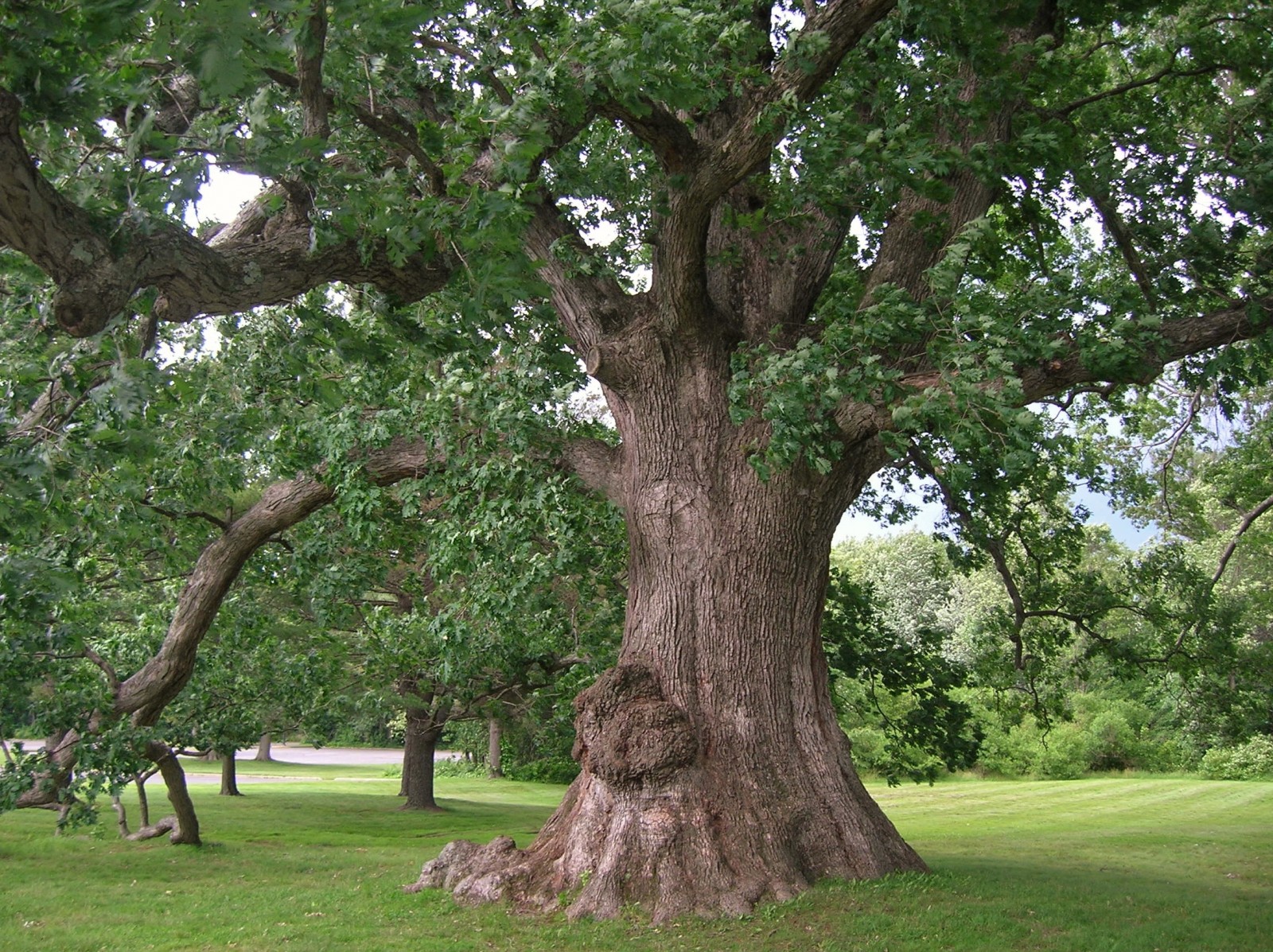
One hundred forty-eight days before Gainey passed away, an enormous white oak fell over and crushed his house. Gainey considered the tree to be the soul of his life.
This post was featured onThe Daily Gardener podcast:
helping gardeners find their roots,
one story at a time