Botanical Homage: How Powell Named a Canyon Wonder After His Plant-Loving Friend
This botanical history post was featured on The Daily Gardener podcast:
August 9, 1869
My darling garden enthusiasts and canyon-curious companions, what a remarkable botanical tale awaits us today!
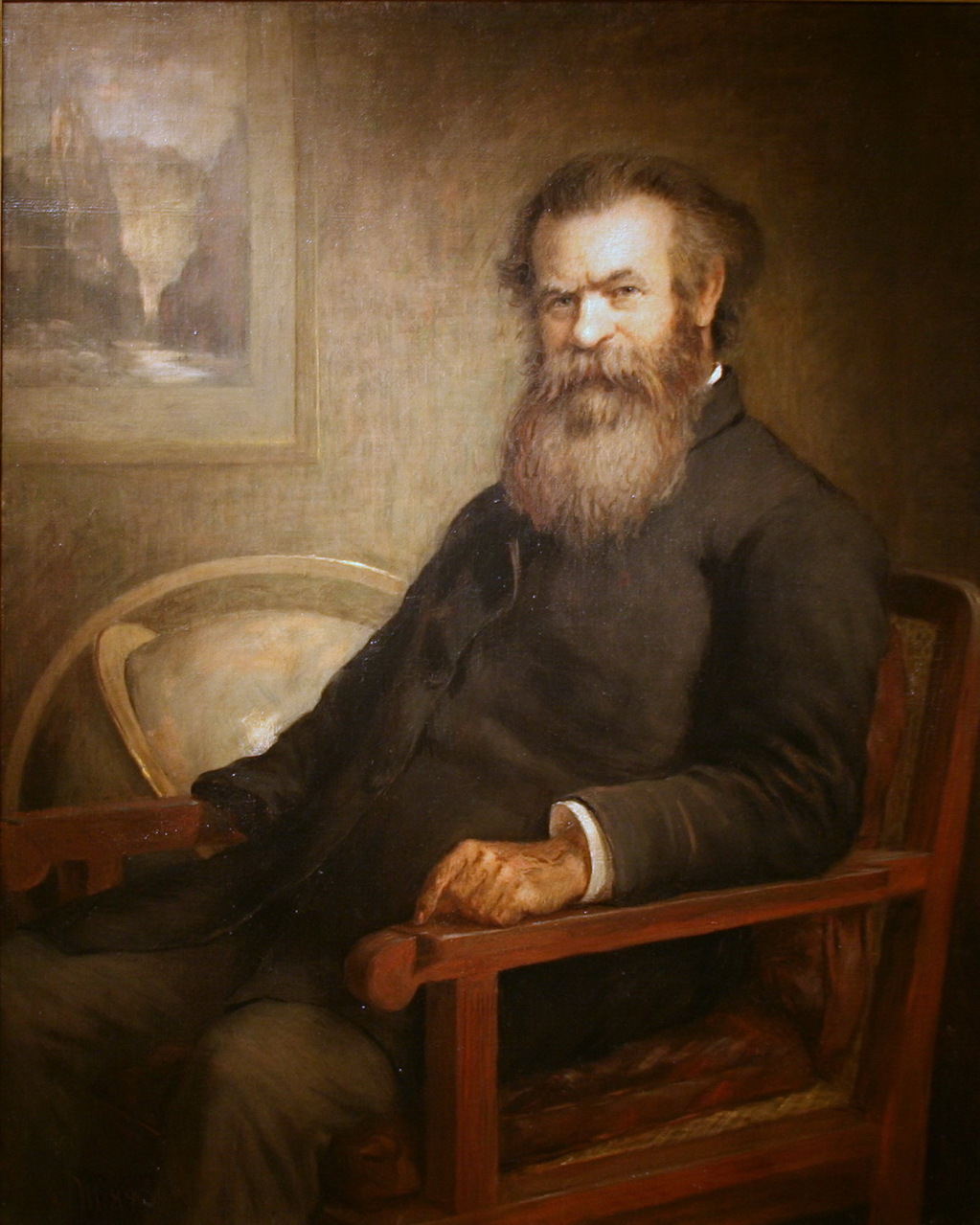
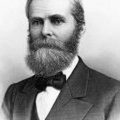
On this day in 1869, that intrepid explorer John Wesley Powell—a man whose curiosity rivaled even the most dedicated of gardeners hunting for rare specimens—bestowed a most enchanting name upon a section of the Grand Canyon, christening it after his botanical confidant, George Vasey.
Vasey's Paradise, as it came to be known, is nothing short of nature's own extravagant water feature—one that would make even the most accomplished landscape designer weep with envy! Water cascades dramatically from the north rim of the Grand Canyon, tumbling with abandon into the Colorado River below. It's a spectacle that would have any garden-lover reaching for their sketchbook, desperate to capture such natural magnificence.
The year prior, our dear Vasey had accompanied Powell on his preliminary expedition, where he collected plants with the passion only fellow botanists can truly understand. While we toil in our modest plots, imagine Vasey scrambling across uncharted wilderness, gathering specimens with scholarly devotion!
After this adventure, Vasey returned to Illinois where his talents were rightfully recognized. He became curator of the Illinois State University Natural History Museum and eventually—pay attention, my horticultural historians—the chief botanist of the USDA.
Powell's own words about this paradise, penned on August 9, 1869, capture a vision that would thrill any of us plant-obsessed souls:
"The river turns sharply to the east, and seems enclosed by a wall, set with a million brilliant gems. What can it mean? Every eye is engaged, everyone wonders.
On coming nearer, we find fountains bursting from the rock, high overhead, and the spray in the sunshine forms the gems which bedeck the wall.
The rocks below the fountain are covered with mosses, and ferns, and many beautiful flowering plants.
We name it Vasey's Paradise, in honor of the botanist who traveled with us last year."
Can you imagine it, my dear soil-sisters?
A natural rock garden of sublime proportions, adorned with mosses, ferns, and flowering plants—nature's own perfect arrangement, thriving in this unexpected oasis! While we fuss over our garden borders and window boxes, Mother Nature was creating this masterpiece, this cathedral to botanical splendor that honored a man who dedicated his life to understanding plant life.
This remarkable paradise stands as testimony to the enduring friendship between explorers and scientists, and to the profound impact that plants have on our appreciation of natural beauty.
Perhaps next time you're arranging your cutting garden or planning your spring bulbs, you might spare a thought for Vasey and his paradise—a reminder that sometimes the most spectacular gardens are those designed by nature herself, waiting to be discovered and cherished by those with eyes to see their wonder.
Until our next historical garden adventure, keep your pruners sharp and your curiosity sharper, my beloved botanical brethren!