The First Ever-Blooming Rose Patent: How a Rose Changed Horticultural History

On this day page marker white background
This botanical history post was featured on The Daily Gardener podcast:

Click here to see the complete show notes for this episode.

July 29, 1931

On this day, dear garden friends, the gardening world witnessed history unfold as newspapers across the nation reported that Louis Schubert and August Rosenberg had achieved what no plantsmen before them had managed: they became the first recipients of a patent for a plant.

Not for some mechanical contraption to ease our labors among the beds, mind you, but for the living, breathing beauty of the plant itself.

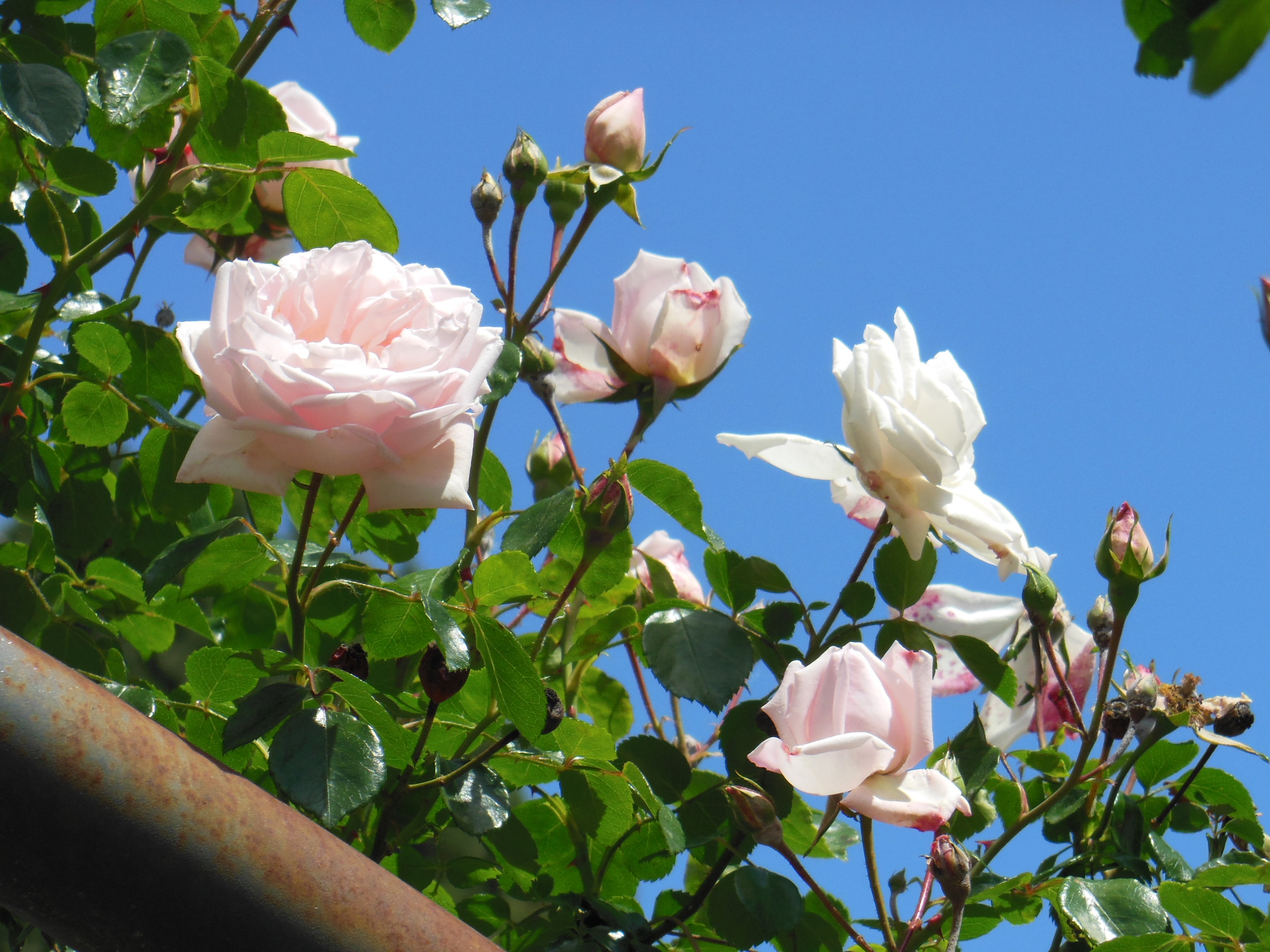
Their horticultural triumph—a climbing rose christened "The New Dawn"—earned this distinctive honor not merely for its beauty (though beautiful it certainly was), but for its revolutionary ever-blooming nature.

While most climbing roses offer their splendor in a fleeting annual performance before retiring into leafy anonymity, The New Dawn decided such temperamental behavior was beneath its dignity.

The rose was, by all accounts, identical to the Dr. Van Fleet climbing rose in appearance, save for one magnificent difference: where Dr. Van Fleet's creation performed but once a year like some operatic diva conserving her voice, The New Dawn bloomed with persistent enthusiasm throughout the season, mimicking the generous nature of tea roses.

President Herbert Hoover, not typically remembered for his contributions to horticulture, signed the Plant Patent Act into law on May 23, 1930, less than a year before this milestone.

One imagines the President, amid the gathering economic storm clouds, taking momentary solace in providing gardeners with this legislative gift.

The patent granted Schubert and Rosenberg exclusive rights to reproduce, use, or sell their botanical discovery throughout the United States for 17 years.

One wonders what those gentlemen would make of today's corporate battles over seed and plant genetics—perhaps they would recognize the thorns that grew alongside their rose.

For the modern gardener, this historical footnote serves as a reminder that even our most treasured natural companions—the plants that grace our borders and perfume our summer evenings—exist in a curious intersection of nature's wild abundance and human innovation.

The New Dawn continues to climb garden walls and trellises nearly a century later, its soft pink blooms a living testament to horticultural ingenuity.

And so, dear gardeners, when you next pass a climbing rose offering its second or third flush of the season, perhaps tip your mud-encrusted hat to Messrs. Schubert and Rosenberg, whose vision brought forth not just a new rose, but a new dawn for plant breeding and protection.

Their legacy blooms on, patent or no.

Louis Schubert and August Rosenberg

Leave a Comment