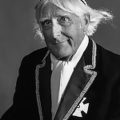
Edgar Walter Denison
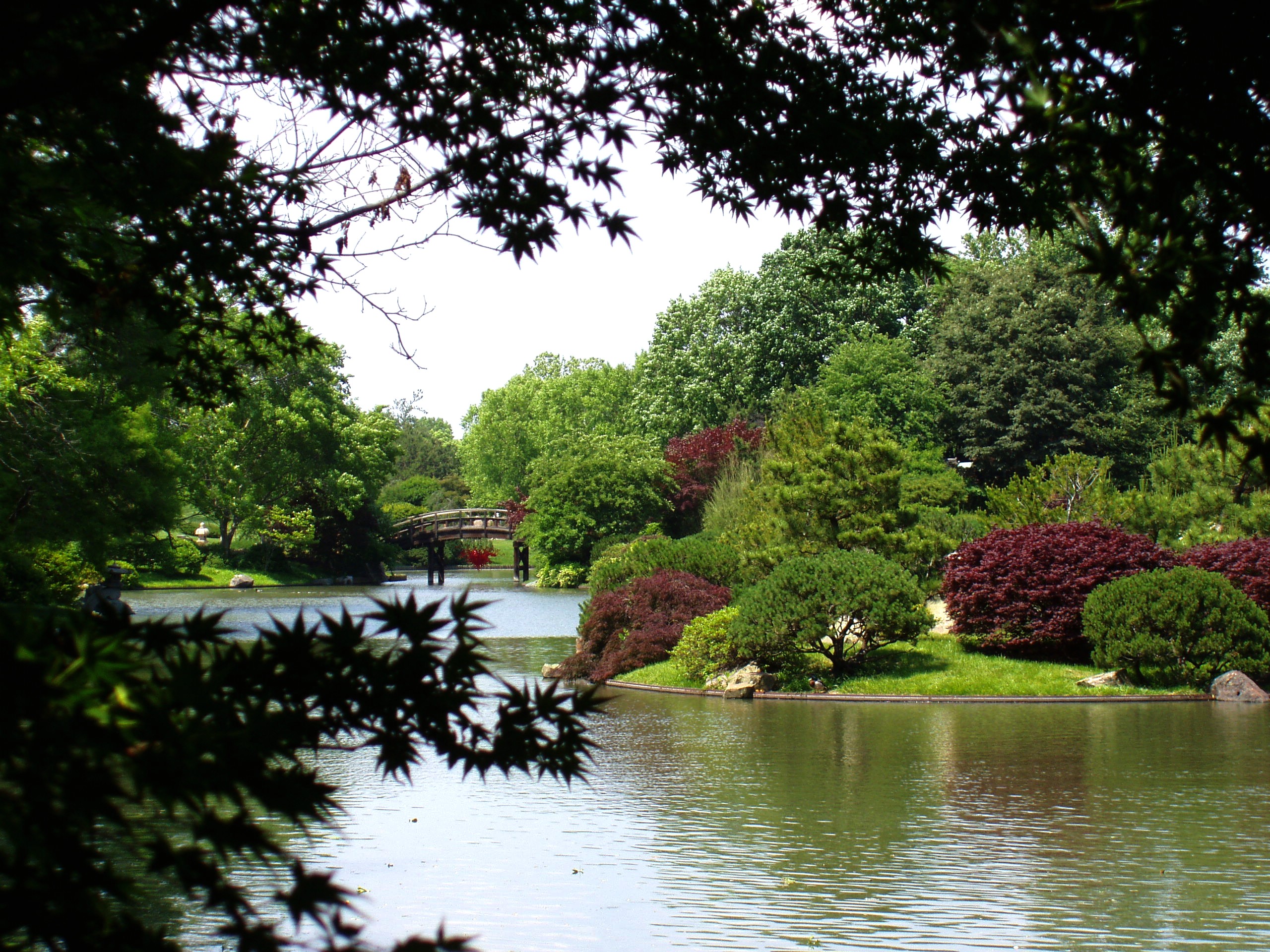
The Beauty of Missouri
Today is the anniversary of the death of the botanist Edgar Walter Denison, who was an expert on Missouri’s wildflowers.
Denison died in Missouri on this day in 1993. Tennyson had emigrated to the country from Stuttgart, Germany In 1927. He left behind much of his extended family, including a famously brilliant cousin named Albert Einstein.
Denison's book, Missouri Wildflowers has sold nearly 100,000 copies since its first printing in 1962. Denison illustrated the book as well. One of the reasons the book was so popular is because of the way the book is organized. It especially appeals to gardeners; It’s organized by color and within colors by the month of blossom. As a result, gardeners can find a species quickly and with ease.
Denison had an amazing personal garden. He had over 1,000 varieties of plants that he grew from seed; he hated the thought of removing a plant from its native habitat.
Denison had a special relationship with the Missouri Botanical Garden. The garden's director, Peter Raven, said,
“An old-fashioned European gentleman in many ways, Edgar Denison, exceeded most of our citizens in his deep love for the plants that enrich and beautify Missouri .“
Denison's former next-door neighbor, horticulturist Patrick Brockmeyer, said Denison told him everything he knew about plants, including pruning, fertilizing, weed control naturally; he was a naturalist. Brockmeyer felt Denison's presence when he visited the garden. He said,
“He was there. I don’t care what anyone says, that man was in that garden. I could tell by the way the birds were singing.“
Unearthed Words
"How sociable the garden was.
We ate and talked in given light.
The children put their toys to grass
All the warm wakeful August night."
- Thomas Gunn, Last Days at Teddington
This post was featured onThe Daily Gardener podcast:
helping gardeners find their roots,
one story at a time