Nature’s Poet: Celebrating Emily Bronte’s Untamed Legacy
This botanical history post was featured on The Daily Gardener podcast:
July 30, 1818
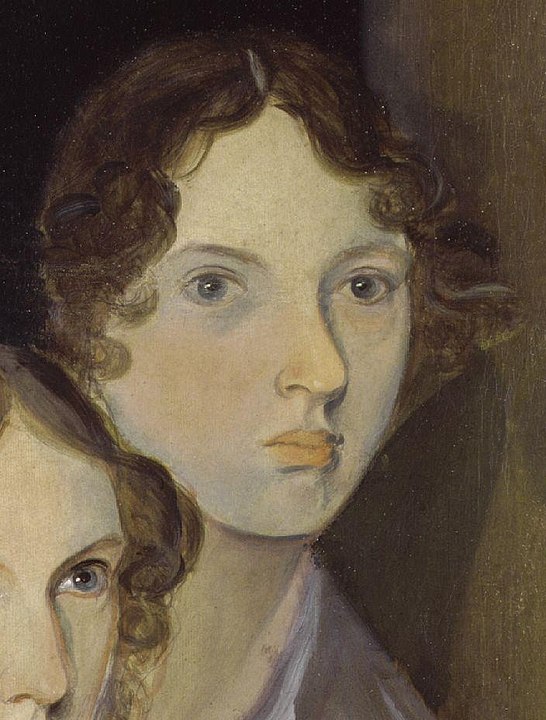
On this day, dear garden friends, Emily Brontë entered this world at the parsonage at Thornton, a small village nestled in the wild Yorkshire moors that would later define her singular literary vision.
Dear readers, one cannot help but notice that while many celebrated authors of her day sought the spotlight like desperate debutantes at a country ball, our Emily preferred the company of heather and horizon to that of London's literary salons.
How fascinating that this reclusive daughter of a clergyman, who rarely ventured beyond her beloved moorlands, would craft one of the most passionately turbulent novels in the English language.
What dark soil must have nourished such wild imagination in a woman who, by all accounts, preferred solitary walks with her dogs to human companionship?
Emily, the middle sister of the extraordinary Brontë triumvirate, published but a single novel before consumption claimed her at the tender age of thirty.
And yet, that solitary work - Wuthering Heights - continues to bewitch readers nearly two centuries later with its tempestuous tale of Heathcliff and Catherine.
Their love story manages the remarkable feat of being simultaneously Gothic, Romantic, and utterly, devastatingly human.
Reason, indeed, may oft complain
For Nature's sad reality,
And tell the suffering heart, how vain
Its cherished dreams must always be;
And Truth may rudely trample down
The flowers of Fancy, newly-blown.
In these lines, penned in her characteristically unflinching style, we glimpse the essence of Emily's worldview. While other poets of her era might dress nature in pastoral finery, Emily saw it plainly - both beautiful and brutal, much like the Yorkshire landscape that shaped her.
For the gardener who has witnessed both the glory of a perfect rose and the devastation of an unexpected frost, these words ring with particular truth.
Emily shared a deeply creative childhood with her siblings Charlotte, Anne, and Branwell. Together they invented elaborate imaginary kingdoms - Gondal and Angria - complete with complex political intrigues, romances, and adventures.
Picture, if you will, these four children huddled by firelight in that cold parsonage, conjuring worlds while the wind howled across the moors beyond their windows.
Though Emily's output was modest compared to Charlotte's, her work betrays a fierce intelligence and emotional honesty that remains startling even now.
One cannot help but wonder what other masterpieces might have emerged had consumption not taken her in December 1848, just months after the publication of her masterwork.
When you next wander through your garden, dear readers, perhaps pause beside something wild and untamed - a bramble, perhaps, or a stubborn weed that refuses domestication. In such determined wilderness, you might glimpse something of Emily Brontë's spirit, as immortal and uncompromising as Heathcliff himself, roaming eternally across the moors of our literary imagination.