Garden of Injustice: Remembering Nikolay Vavilov’s Sacrifice for Science
This botanical history post was featured on The Daily Gardener podcast:
July 9, 1941
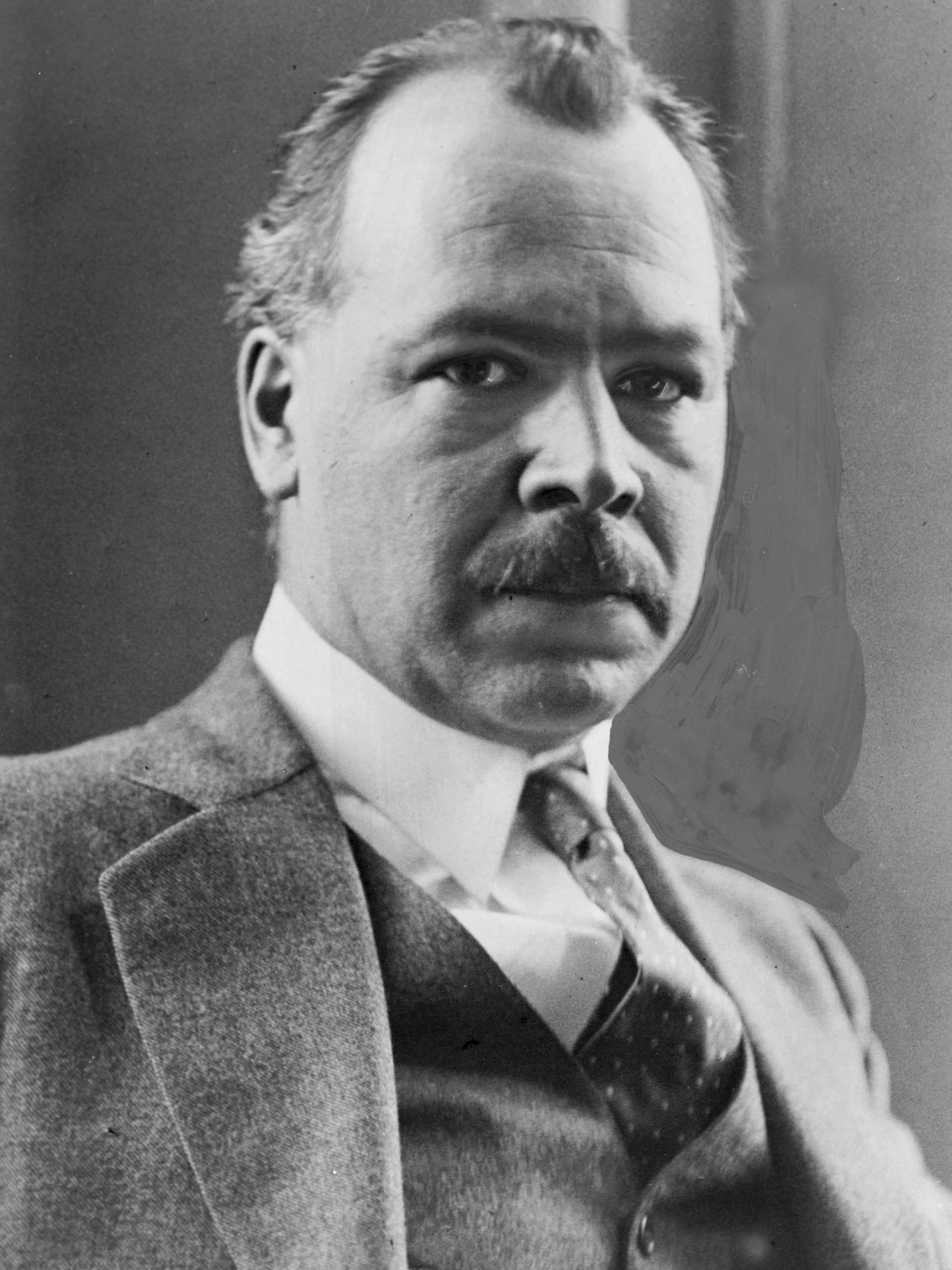
On this day, dear readers, a most peculiar travesty of justice unfolded in the frigid chambers of a Soviet court. The esteemed Russian botanist Nikolay Vavilov—a man who dedicated his life to understanding how we might better feed humanity—was sentenced to death by firing squad.
One cannot help but remark on the exquisite irony that a regime supposedly built upon the welfare of its people would condemn a man whose life's work was ensuring they wouldn't starve.
The Soviet authorities, in their infinite wisdom, decided that a man who had traversed five continents collecting seeds was somehow a threat to their revolution.
Imagine!
A scientist whose research on plant immunity could have saved countless Soviet harvests was deemed an enemy of the state.
But fate, my gardening friends, has a penchant for cruel plot twists. Our botanical hero never met the bullets that were to be his appointed end. The firing squad, it seems, was denied its grim satisfaction.
Instead—and I share this with the heaviest of hearts—Vavilov perished from starvation in 1943, wasting away in a prison cell in Saratov.
Can you fathom the cosmic cruelty?
A man who had devoted his existence to fighting world hunger, reduced to begging for crumbs until his body finally surrendered.
Vavilov's seed collection expeditions took him to 64 countries across five continents, where he gathered over 250,000 plant specimens. His theory of centers of origin for cultivated plants remains foundational to our understanding of agricultural biodiversity. While the fashionable scientific theories of Trofim Lysenko—a charlatan with political connections—found favor with Stalin, Vavilov's evidence-based work was suppressed with fatal consequences.
One cannot help but wonder what magnificent discoveries might have flourished had this brilliant mind not been cut short by political machinations!
His seed bank in Leningrad was protected by his colleagues during the Siege of Leningrad—several of whom starved to death rather than eat the precious seeds that might one day feed a nation.
The legacy of Vavilov lives on, despite Stalin's best efforts to erase it. The Vavilov Institute of Plant Industry in St. Petersburg stands as testament to his vision, housing one of the world's largest seed collections.
For us gardeners, each heritage seed we plant is a small act of rebellion against the forces that would silence scientific truth.
How fitting that while his persecutors have faded into historical footnotes, Vavilov's name graces research institutes, a crater on the moon, and even an asteroid.
Nature, it seems, has a more discerning eye for greatness than political regimes.
Let us remember Nikolay Vavilov not merely as a victim of totalitarianism, but as the visionary who understood that our future is written in seeds.
Next time you plant your garden, dear readers, pause to consider that this simple act connects you to his extraordinary legacy.