Cultivating Prose and Plots: Jane Austen’s Garden Legacy

On this day page marker white background
This botanical history post was featured on The Daily Gardener podcast:

Click here to see the complete show notes for this episode.

July 18, 1817

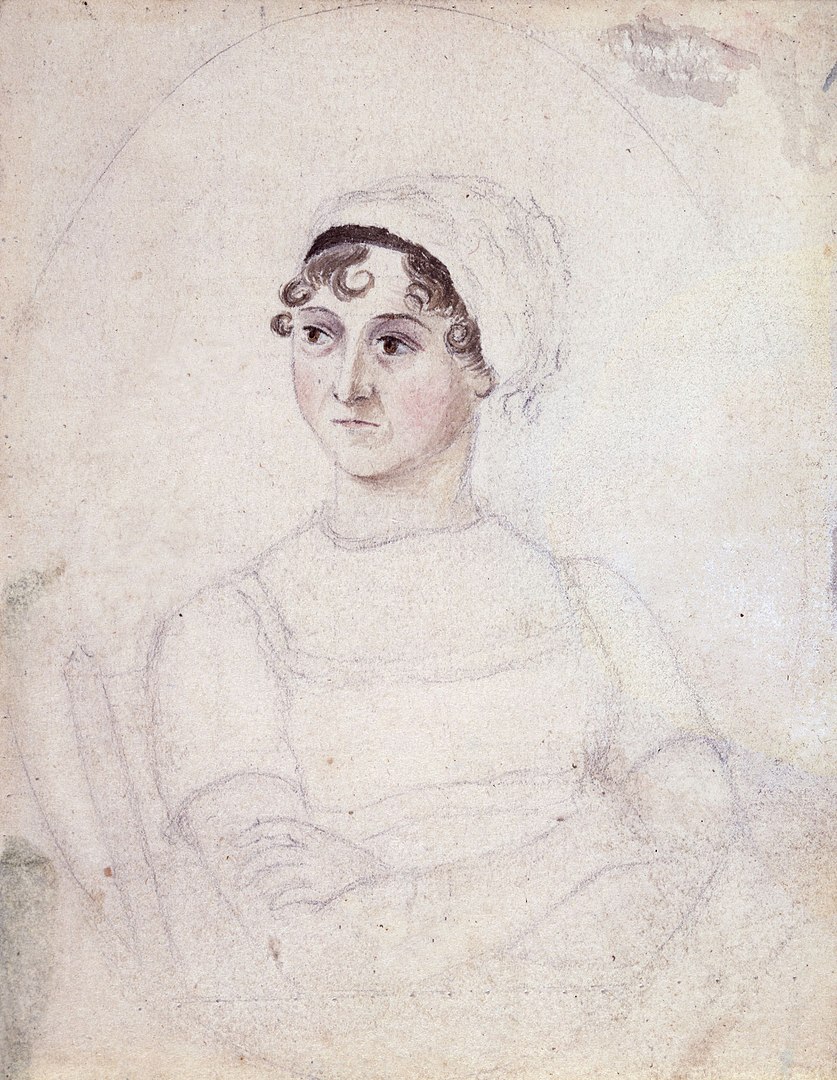
On this day, dear readers, we mark the solemn anniversary of Miss Jane Austen's departure from our mortal garden.

A most remarkable cultivator of both prose and plants, our dear Miss Austen has left this world precisely as she inhabited it—with quiet dignity and without sufficient recognition of her considerable talents.

One cannot help but notice how gardening wound itself through the tapestry of her existence like the most persistent of climbing roses.

She possessed what one might call a particular fondness—dare I say passion?—for ornamentals, herbs, and the practical arts of kitchen gardening. The Austen family, ever practical and of modest means, maintained gardens that served both plate and pleasure, nourishing body and spirit in equal measure.

Is it any wonder that gardens found their way into every one of her novels?

Her characters stroll through pleasure grounds and scrutinize improvements with the keen eye of one who understands that a garden reveals as much about its owner as any drawing room conversation!

Her letters to her sister Cassandra—those precious windows into her private thoughts—reveal how gardens brought her not merely joy but a sense of order in a world often lacking such comforts. They were regulating, you see, in a manner that only fellow gardeners might truly comprehend.

In 1807, our authoress wrote with barely contained excitement about plans for her garden's redesign:

"I could not do without a syringa...

We talk also of a laburnum.

The border under the terrace wall is clearing away to receive currants and gooseberry bushes, and a spot is found very proper for raspberries."

One detects the thrill of anticipation in her voice!

The careful planning of fruit and fragrance, of beauty and bounty—is this not the very essence of gardening itself? The syringa (what common folk call mock orange) with its heady perfume, the laburnum's golden chains, the promise of summer fruits—all arranged with the same meticulous care she brought to her narrative structures.

By 1814, we find her utterly enchanted by the garden outside her rented chambers:

"The garden is quite a love...

I live in the room downstairs; it is particularly pleasant...opening upon the garden.

I go and refresh myself every now and then, and then come back to Solitary Coolness."

What gardener among us has not sought such "Solitary Coolness" after the heat and exertion of a summer day? Miss Austen understood that gardens offer sanctuary—not merely from the elements but from society's unending demands. Her garden became her confidant, her consolation, her companion in those moments when even family might prove too much to bear.

As we tend our own plots today, perhaps we might pause between deadheading roses and staking tomatoes to remember Miss Austen.

Her novels—Pride and Prejudice, Sense and Sensibility, Emma—continue to bloom in our cultural landscape long after her mortal remains have nourished the soil of Winchester Cathedral.

Her garden observations, scattered like seeds throughout her correspondence, remind us that in the most modest of gardens, one might find the greatest of pleasures.

Let us raise our trowels in salute to Jane Austen, gardener of words and worlds, who understood that both novels and gardens thrive on careful attention, patient nurturing, and the occasional ruthless pruning.

Jane Austen
Jane Austen

Leave a Comment