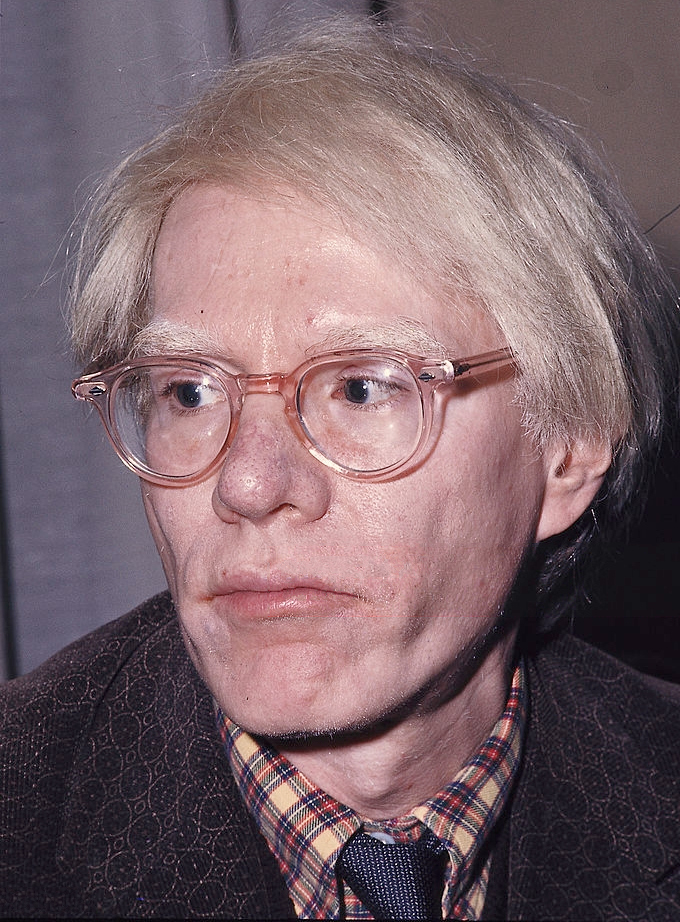
Andy Warhol
Flowers
Today is the birthday of Andy Warhol who was born on this day in 1928
Warhol painted a series called Flowersthat debuted in 1964.
This series of paintings was unique. Warhol found the original photo for it in a magazine called Modern Photography.
All the canvas Warhol used for the Flowers series was square. He only painted on 24 and 48-inch canvases. In these paintings, Warhol applied his masterful use of color, making the flowers much more vibrant against their background.
Although Warhol's Flowers have been compared to Van Gogh's bouquets and Matisse's Cutouts, it seemed no one could agree what kind of blooms were featured in the Flowers. The New York Herald Tribune identified the blossoms as anemones. The Village Voice said they were nasturtiums. Other publications said they were pansies.
There was no way to really tell. The series of prints showed the same flowers over and over again in different color combinations and backgrounds.
Warhol once said,
"My fascination with letting images repeat and repeat - manifests my belief that we spend much of our lives seeing without observing.“
Warhol's Flower series is considered a likely source for the phrase "flower power," which became an anthem for the non-violence movement. Whether or not that's true, Warhol's psychedelic flowers were totally in sync with the movement.
Warhol's assistant once recalled,
“When Warhol... made flowers, it reflected the urban, dark, death side of that whole flower power movement... there is a lot of depth in there.”
Warhol's inclinations aligned with the 1960's flower children. He once wished aloud:
“I think everybody should like everybody.”
My favorite Andy Warhol quote is one that gardeners will identify with.
He said,
"I always notice flowers.”
This post was featured onThe Daily Gardener podcast:
helping gardeners find their roots,
one story at a time