John Constable’s Canvas: A Gardener’s Kinship with England’s Master Landscape Painter
This botanical history post was featured on The Daily Gardener podcast:
June 11, 1776
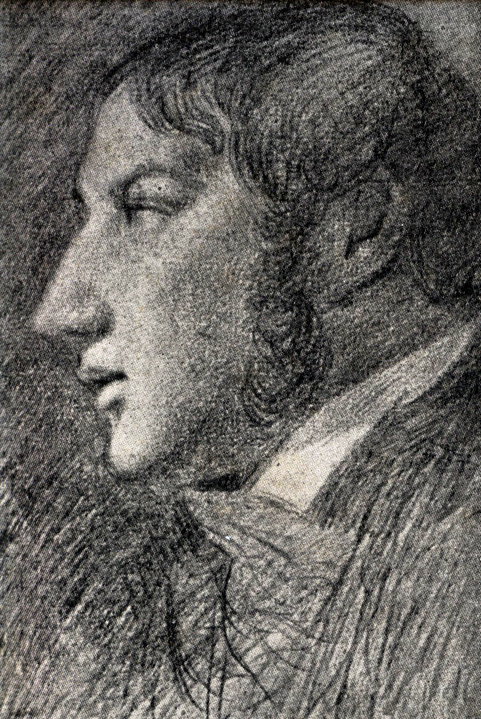
It was on this day that the English landscape painter John Constable drew his first breath in 1776, entering the world in Suffolk, England—a region now reverently dubbed "Constable Country" by those with a proper appreciation for artistic geography.
What a fascinating character he was, this man who understood that art must be tethered to one's personal experience! In a letter to his confidant John Fisher in 1821, he rather boldly declared:
"I should paint my own places best"
and
"Painting is but another word for feeling."
For us gardeners who worship at the altar of both palette and trowel, Constable offers particular treasures.
His "Trunk of an Elm Tree" (1821) reveals an artist who understood the magnificent architecture of nature as intimately as any gardener who has ever caressed the bark of an ancient specimen.
Even more delicious to our horticultural sensibilities are his 1815 paintings of "Golding Constable's Kitchen Garden" and "Flower Garden"—works that demonstrate he appreciated the practical and ornamental aspects of cultivated spaces long before garden design became fashionable conversation at dinner parties.
The man had seasonal preferences that would resonate with any serious gardener. Spring and mid-summer—those moments of explosive growth and perfect bloom—were what he considered the most important times for a landscape painter.
Autumn, however?
He dismissed it entirely!
The leafless trees apparently failed to stir his artistic passions. One can almost hear him sniffing dismissively at October's arrival, much like a gardener who retreats indoors once the first frost has claimed the dahlias.
Constable's declarations about nature and art read like manifestos for those of us who find divinity in the soil. Consider these pearls of wisdom:
"Nature is the fountain's head, the source from whence all originality must spring."
"Landscape is my mistress - 'tis to her I look for fame."
"When I sit down to make a sketch from nature, the first thing I try to do is to forget that I have ever seen a picture."
Is that not precisely what we attempt when designing our garden spaces?
To forget the conventional, to court the landscape as one would a lover, to seek originality from nature's own blueprint?
Constable understood what gardeners know intrinsically—that the most profound creativity emerges not from imitation but from intimate observation of the natural world.
So as you plunge your hands into the soil today, remember this Suffolk-born master who shares your birthday.
Perhaps his spirit hovers near whenever you stand back to admire the composition of your garden beds or the graceful arch of a branch against the sky.