The Man Who Gardened in the Sky: Ralph Hancock’s Aerial Eden
This botanical history post was featured on The Daily Gardener podcast:
July 2, 1893
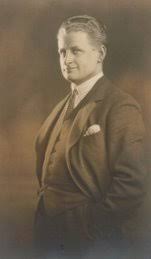
On this day, dear readers, the Welsh landscape gardener, architect, and visionary, Ralph Hancock, graced this world with his arrival. A man whose ambitions would eventually stretch skyward—quite literally.
Dear readers, while most gardeners of his era remained firmly rooted to the ground, Hancock dared to elevate the horticultural arts to unprecedented heights. His gardens flourished across Wales and England, certainly, but it was across the Atlantic where his most audacious vision took form.
Would you believe that this Welshman conquered the Manhattan skyline?
Indeed!
His crowning achievement—the spectacular rooftop garden at Rockefeller Center—transformed barren concrete into a verdant paradise eleven stories above the bustling streets below.
In 1934, when most viewed rooftops as desolate wastelands of tar and gravel, Hancock saw blank canvases awaiting transformation. With characteristic boldness, he declared:
"The days of penthouse gardening in boxes are over and miles and miles of roof space in every metropolis in this country remain to be reclaimed by landscape gardening."
One cannot help but admire the man's audacity! Hancock christened his aerial masterpiece The Garden of Nations—a diplomatic triumph of horticulture featuring eight distinct gardens representing countries from around the globe, all arranged around a central English tea house and cottage garden.
How deliciously patriotic of him to place Britain at the heart of this international display!
The sheer logistics of his feat deserve our astonishment. Imagine, if you will, the herculean effort required to transport 3,000 tons of earth and 100 tons of natural stone to such heights! Add to that the 2,000 trees and shrubs that made their way skyward either via service elevator or, more dramatically, by a single determined man operating a block and tackle pulley system on the building's exterior. Such dedication to one's craft is rarely witnessed in this modern age.
When The Garden of Nations officially opened on April 15, 1935, it drew the cream of society. Nelson Rockefeller himself attended the grand unveiling, alongside students from Bryn Mawr College who, with theatrical flair, arrived dressed in costumes representing the various nations. A particularly enchanting photograph captures one Miss Nancy Nichol adorned in a kimono, posed gracefully within the Japanese garden.
While lesser gardeners might content themselves with cultivating at ground level, Hancock's vision soared above conventional constraints. His legacy reminds us that the true gardener sees potential where others see limitations.
Perhaps we should all cast our eyes upward occasionally—who knows what gardens might bloom in the most unexpected of places?